Guides · Outdoors
Berkeley Stairs and Paths Walk
Explore Berkeley's hidden stairways and hillside paths designed for pedestrian discovery.
Advertisement
What Are Berkeley’s Stairs and Paths?
Berkeley is famous for its public stairways and paths, remnants of an early city planning vision to connect hillside neighborhoods. In the early 1900s, Berkeley’s planners included pedestrian right-of-ways (stairways) throughout the hills, intending them as practical shortcuts and pleasant walking routes. Many have been restored and maintained by the Berkeley Path Wanderers Association. Today, these stairs and paths offer locals and visitors a unique way to explore the city’s topography, neighborhoods, and gardens while avoiding car traffic.
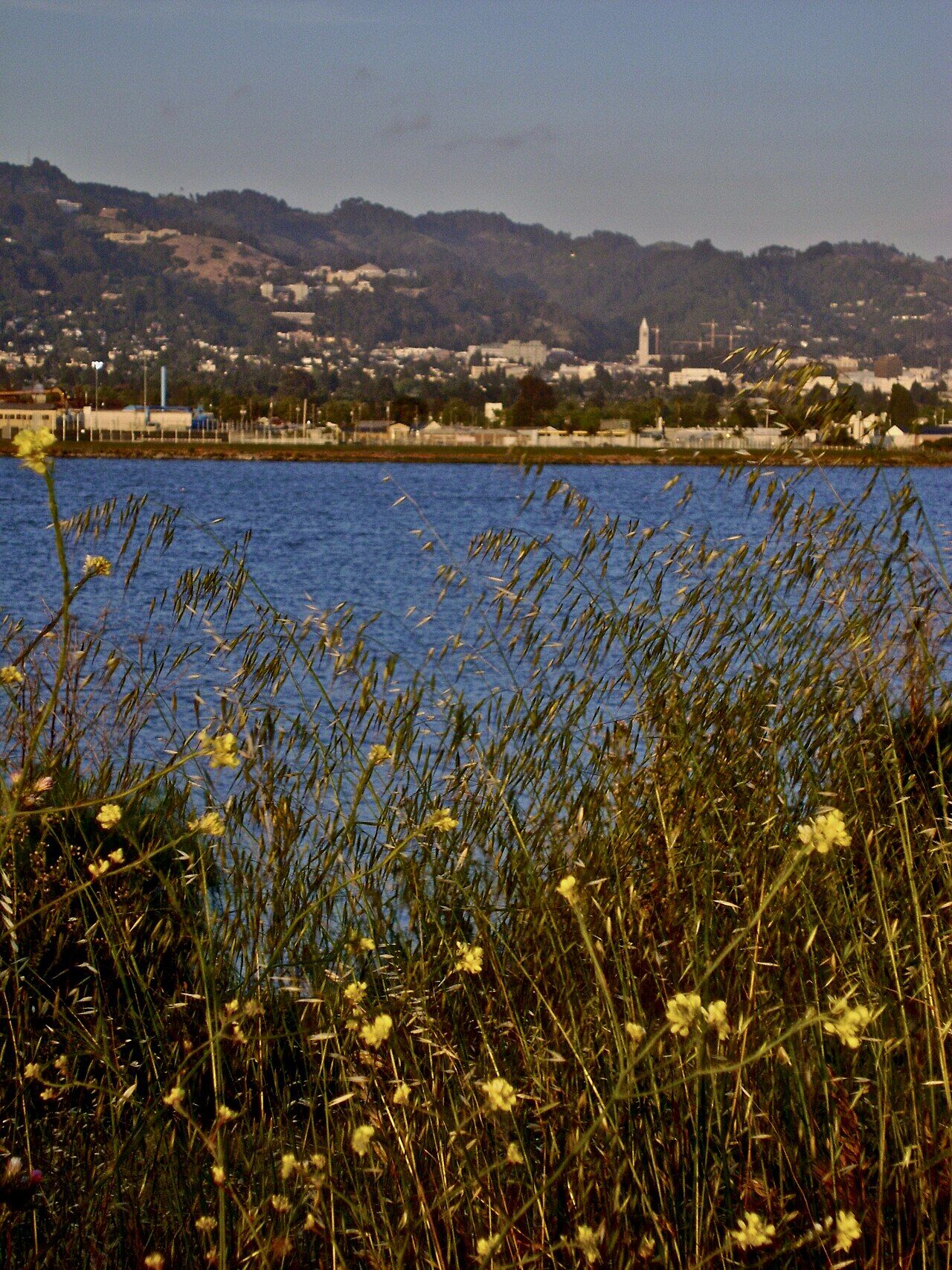
Unlike standard streets, these paths wind through private and public land, offering intimate connections to the landscape and views of the bay. Some paths are fully urban (paved, surrounded by houses), while others feel more like forest trails (tree-covered, grassy, quiet). Walking Berkeley’s stairs and paths is a contemplative, low-traffic way to understand the city’s character.
Getting Oriented
The Berkeley Path Wanderers Association publishes “Step It Up: An Adventurer’s Guide to Forty Walks on the Paths, Trails, and Streets of Berkeley and Beyond” (updated 2020), a detailed guide with maps and descriptions of 40 walks. The guide is freely available (check their website, berkeleypaths.org). This is your essential reference for planning stairs and paths walks.
Key neighborhoods for stairs and paths:
- North Berkeley Hills: Dense with paths, accessible from campus area
- Claremont and surrounding hills: Quieter, more forested paths
- Elmwood: Some excellent neighborhood paths
- Northside: Good pedestrian infrastructure and path connections
Sample Walks
North Berkeley Hills Loop (Moderate, 2–3 hours)
Start at the UC Berkeley campus area (Northside neighborhood). Follow paths and stairs northward into the Berkeley Hills via Hillside Avenue or similar entry points. Paths wind through oak woodland, occasional homes, and open views. The terrain varies from paved urban paths to natural dirt trails. This walk offers a full sense of Berkeley’s stairway network and hillside character.
Elmwood to Campus Via Paths (Moderate, 2–3 hours)
Begin in Elmwood (around College Avenue) and use paths to walk toward campus. Several routes connect these neighborhoods without using main streets. This offers a neighborhod-level exploration and demonstrates how paths provide alternatives to vehicular routes.
Northside Neighborhood Exploration (Easy–Moderate, 1.5–2 hours)
Walk the Northside neighborhood (Gourmet Ghetto area), combining paths with pleasant streets. This walk emphasizes the neighborhood character and local businesses while incorporating some quieter pedestrian paths.
What to Expect
Path Types
Urban Paved Paths: These feel like quiet sidewalks, bordered by homes, lined with trees. They’re safe, easy walking.
Natural Trails: Dirt, leaves, possibly muddy. Tree-covered, quiet, more isolated. Similar to light hiking trails.
Stairways: Ranging from 10 steps to 100+ steps, these connect hillside neighborhoods. Most are well-maintained and have railings.
Mixed Routes: Many walks combine all three types, creating varied experiences.
Terrain and Challenge
Most paths and stairs are moderately easy to moderate in difficulty. Some are steep and may challenge people with mobility issues. Paths range from flat to significant elevation gain. Walking shoes or light hiking boots are recommended; avoid flip-flops or dress shoes.
Practical Considerations
Parking
Streets in North Berkeley and Elmwood have permit parking. Visitors should park in central locations (downtown BART station parking garage, campus visitor lots) and use transit or walk into neighborhoods. Or, seek free street parking on side streets (though availability is limited weekdays).
Best Time to Walk
- Spring and fall: Mild temps, clear skies, pleasant for extended walks.
- Morning: Fewer people, best light, cooler.
- Avoid: Muddy winter trails after heavy rain (paths can be slippery).
What to Bring
- Water (at least 1 liter)
- Comfortable walking shoes or light hiking boots
- Phone and portable charger
- Sun protection
- Layers (mornings can be cool)
- Berkeley Path Wanderers guide or printed map
Safety
- Stay on marked paths; respect private property.
- Hike during daylight (days are short in winter).
- Some paths are quiet; let someone know where you’re going.
- Cell service is generally good but may be spotty in deep canyons.
- Watch for tree roots and uneven stairs.
- No special permits required; paths are public.
Neighborhoods Along the Way
Walking Berkeley’s paths passes through several distinctive neighborhoods:
Northside (Gourmet Ghetto): The wealthy, older residential neighborhood north of campus. Beautiful homes, large trees, quiet streets. This is where Chez Panisse and many excellent restaurants are located.
Claremont: South of Northside, more forested, with paths winding through oak and bay woodland. Quieter and more rural-feeling than Northside.
Elmwood: South of campus, around College Avenue, featuring upscale homes, boutique shops, restaurants, and tree-lined streets. Popular with families.
History and Resources
The Berkeley Path Wanderers Association has been advocating for and documenting Berkeley’s paths since the 1970s. They’ve restored many paths, created detailed guides, and fostered community appreciation for pedestrian infrastructure. Check their website (berkeleypaths.org) for:
- “Step It Up” guides (free PDF downloads)
- Events and guided walks
- History of Berkeley’s paths
Sample Half-Day Itinerary
- Morning (9 a.m.): Start at a North Berkeley trailhead (e.g., Northside Drive)
- Walk: Use the path system to explore hillside neighborhoods (2–2.5 hours)
- Late morning/Early afternoon: Emerge near a Gourmet Ghetto restaurant
- Lunch: Eat at one of the excellent local restaurants (Chez Panisse Cafe, Bar Panisse, etc.)
- Afternoon: Walk back via different paths or return via streets
This combines exploration with the reward of excellent food.
Why Walk Berkeley’s Stairs and Paths?
- Discover hidden neighborhoods: Paths reveal parts of Berkeley inaccessible by car.
- Avoid traffic: Quiet alternatives to busy streets.
- Experience the landscape: Direct engagement with topography, trees, and views.
- Local character: Meet neighbors, see homes and gardens, understand community.
- Low-impact recreation: Pedestrian-focused, sustainable exploration.
- Unique to Berkeley: This infrastructure is distinctive and worth experiencing.
Berkeley’s stairs and paths offer a singular way to experience the city—slower, more intimate, and distinctly Berkeleyan.
Advertisement