Attractions · Parks & Outdoors
Indian Rock Park
Iconic hilltop boulder with rock climbing and views across San Francisco Bay.

Advertisement
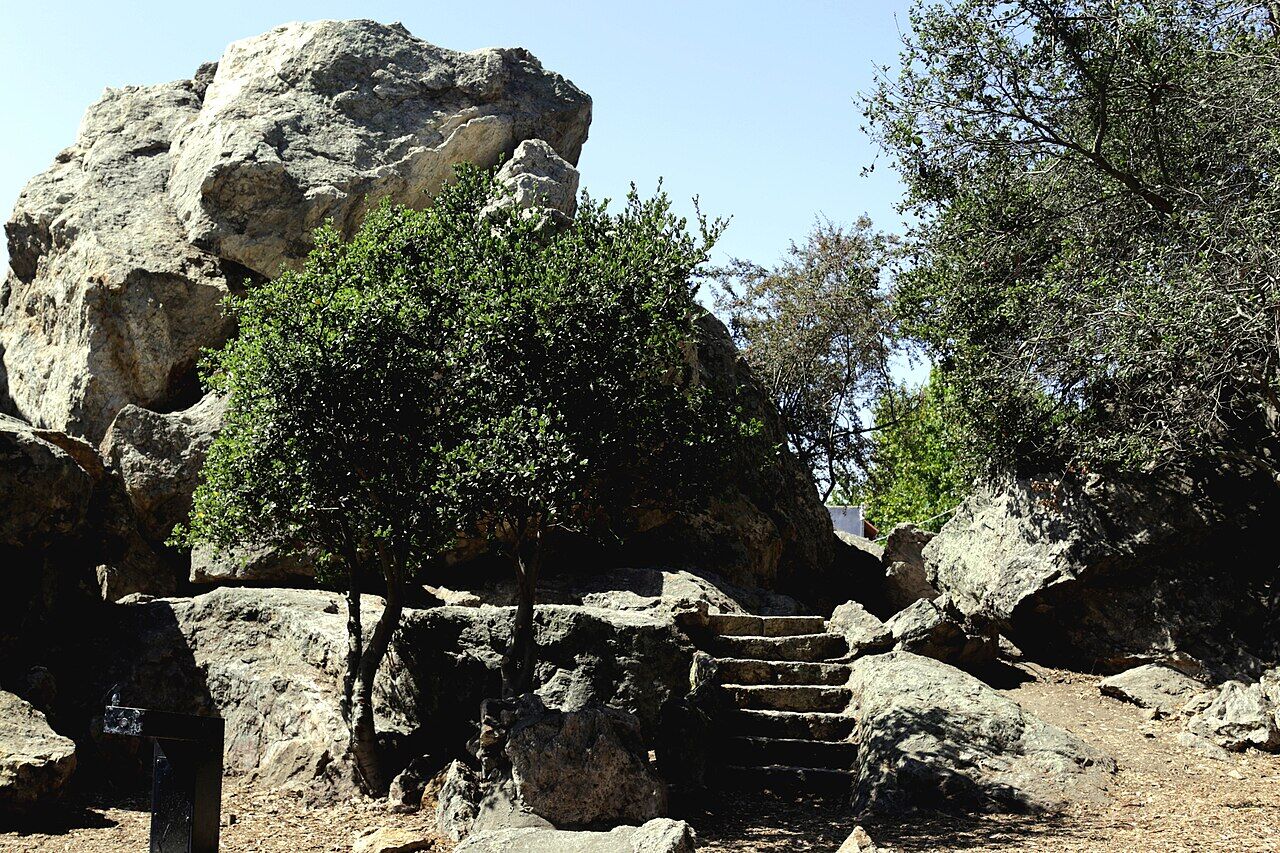
Indian Rock Park features a massive granite boulder dominating the Northbrae neighborhood, offering rock climbing opportunities for every level of experience from beginner boulder-hopping to challenging technical ascents. The rock sits amid multimillion-dollar homes, creating an unusual juxtaposition—accessible outdoor recreation at the heart of an upscale residential area—and provides sweeping views across the San Francisco Bay.
The site holds spiritual and historical significance to the Ohlone people who inhabited the Bay Area before European contact. In 1917, Duncan McDuffie donated the land to Berkeley as public parkland. During the Great Depression, the Works Progress Administration funded the carving of stone stairs into the rock, creating the current access route.
Rock Climbing and Activities
The boulder is approximately 75 feet tall and offers climbing routes ranging from easy scrambles suitable for children to technical problems that challenge experienced climbers. The exposed granite provides excellent friction and varied holding types—cracks, crimps, slopers, and jugs. The rock faces multiple directions, offering options based on sun exposure and difficulty preference.
Climbing at Indian Rock is free and requires no permits or reservations. The informal culture is welcoming to climbers of all levels; experienced climbers often mentor newcomers. Pads and crash protection are standard, and many climbers carry portable pad systems to create belay areas for rope climbing.
Beyond climbing, the park offers a short hiking trail with stone steps leading to the summit, where a bench allows you to sit and view the bay, East Bay hills, and surrounding neighborhoods. The entire summit walk takes 15-20 minutes at a leisurely pace.
Nearby Rock Parks
Indian Rock is part of a cluster of rock formations in the North Berkeley area. Mortar Rock Park and Great Stoneface Park are nearby, each with distinct character and climbing opportunities. These connected parks form a rock climber’s and hiker’s network within the residential neighborhood.
Historical and Cultural Context
The carved stairs are relics of Depression-era public works projects that created much of the East Bay’s park infrastructure. The Ohlone people used this location for centuries, and the site retains cultural importance. Respectful behavior at the site honors both the climbing community that maintains it and the indigenous history it represents.
Visiting and Getting There
The park is open from sunrise to sunset. Street parking is available along San Pablo Avenue and nearby residential streets, though parking competition is intense on sunny weekends and climbing days. The walk from parking to the rock takes 5-10 minutes.
BART access is poor; AC Transit buses serve San Pablo Avenue with reasonable frequency. The most practical approach is by car or bicycle from other Berkeley locations.
Spring offers pleasant temperatures and clear views. Summer brings crowds and warm weather but occasional haze. Fall is ideal—cool, clear, and moderately busy. Winter weather is changeable, but climbing is still possible on dry days.
Beginners should start on the east-facing side where holds are abundant and the grade is moderate. Experienced climbers explore overhanging sections and explore the countless variations possible on the rock’s complex surface. A crash pad is essential for all climbing.
Advertisement
More Parks & Outdoors
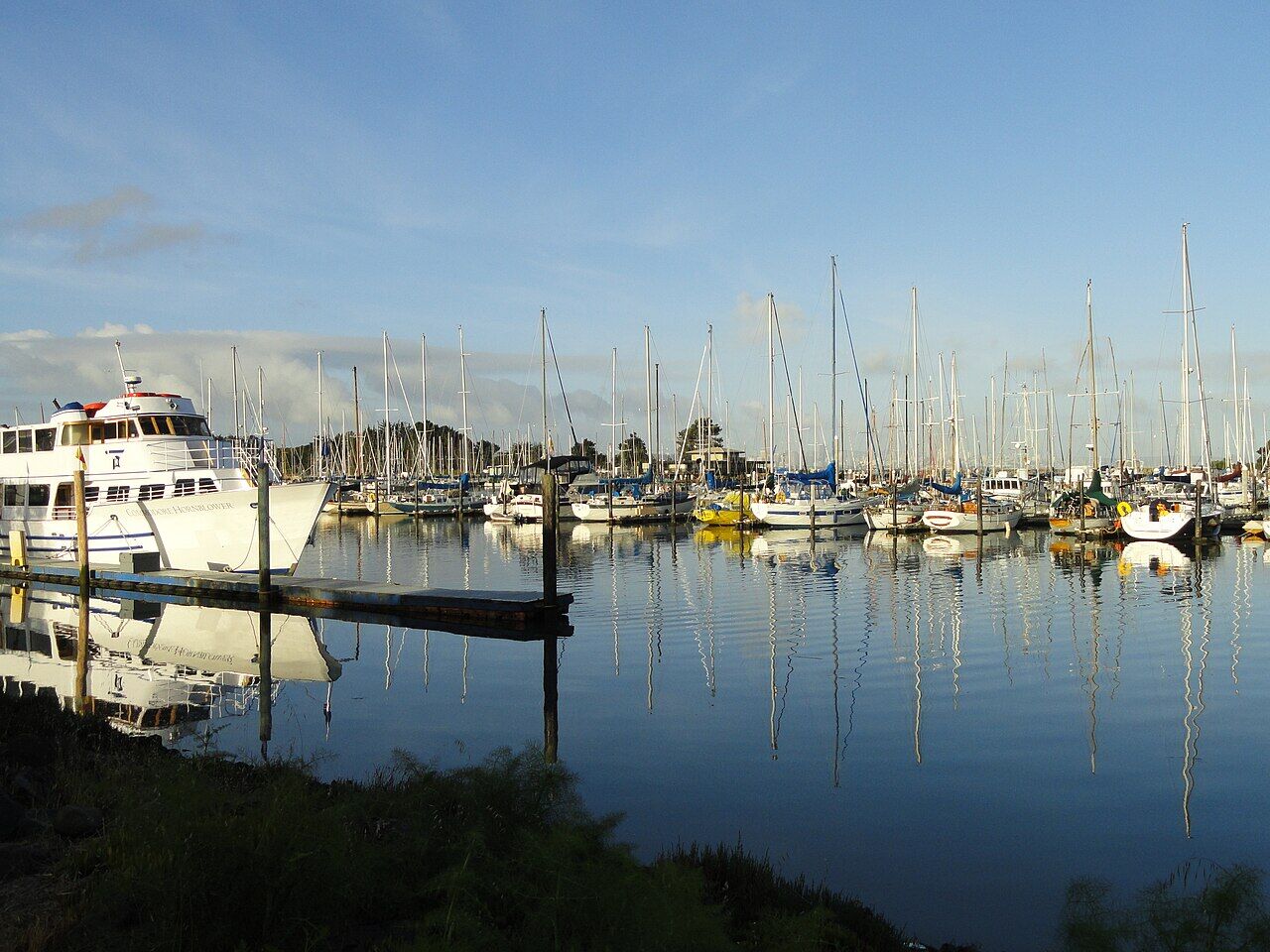
Berkeley Marina
Working waterfront with boating, water sports, restaurants, and bay views.
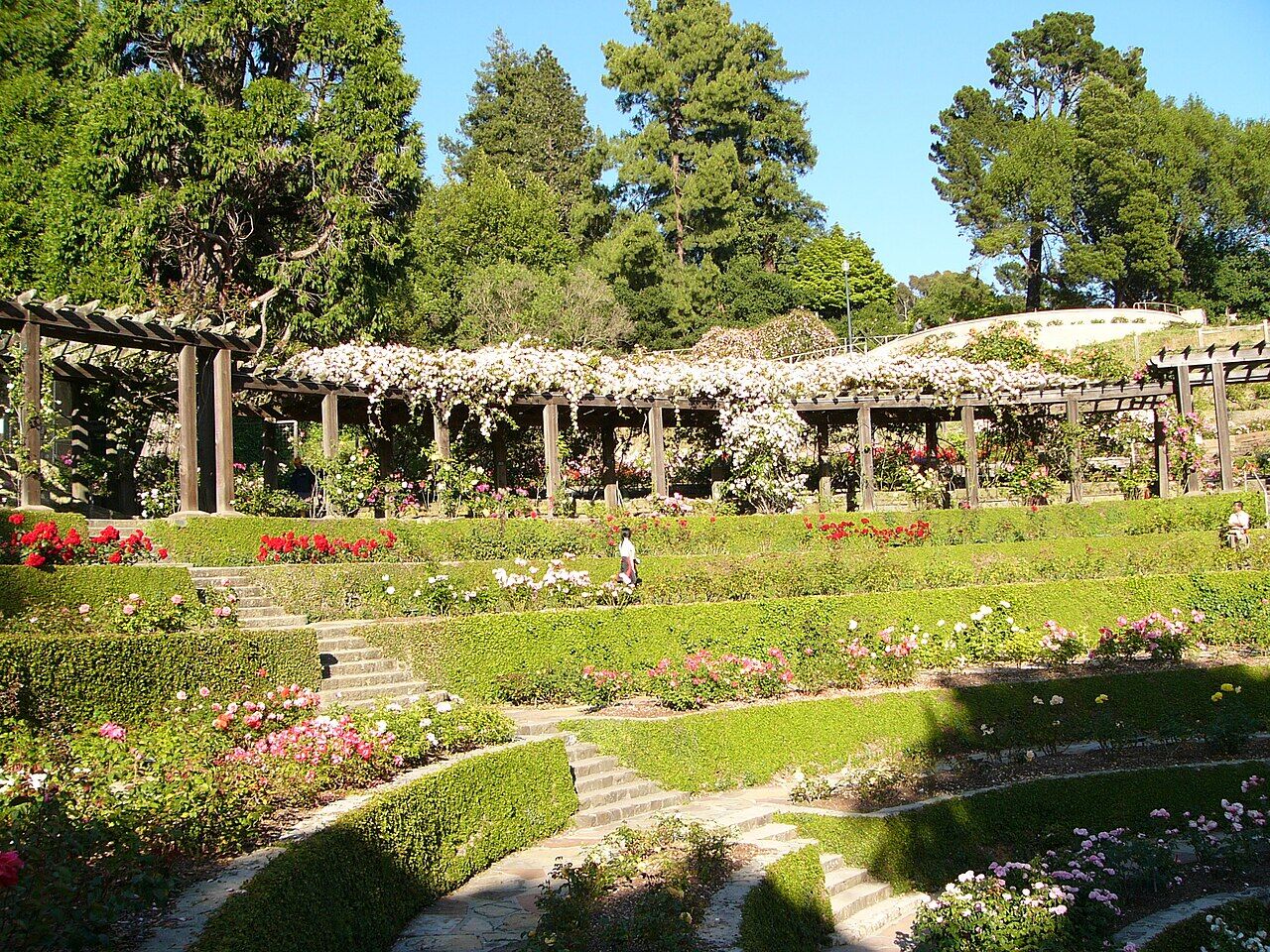
Berkeley Rose Garden
Historic 3-acre garden with 1,500 rose bushes and panoramic views of the Golden Gate Bridge.
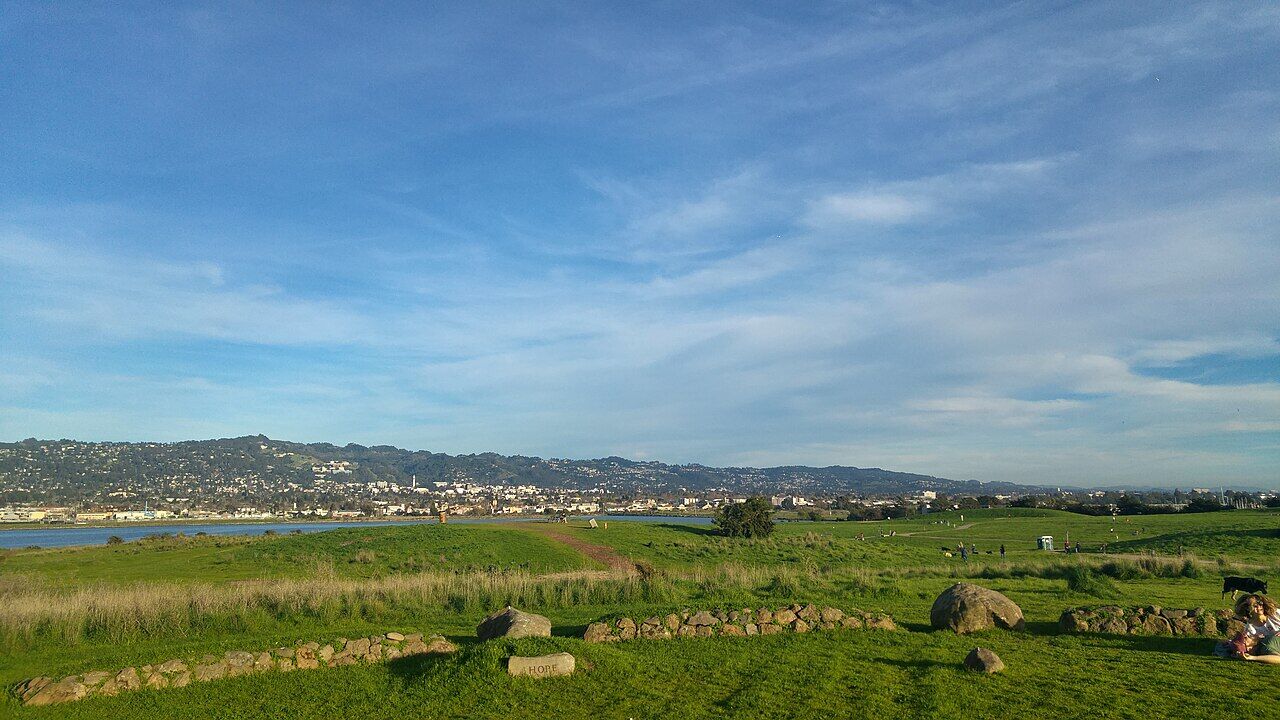
César Chávez Park
90-acre hilltop park on former landfill with views of Golden Gate Bridge and Bay Area.