Attractions · Parks & Outdoors
César Chávez Park
90-acre hilltop park on former landfill with views of Golden Gate Bridge and Bay Area.

Advertisement
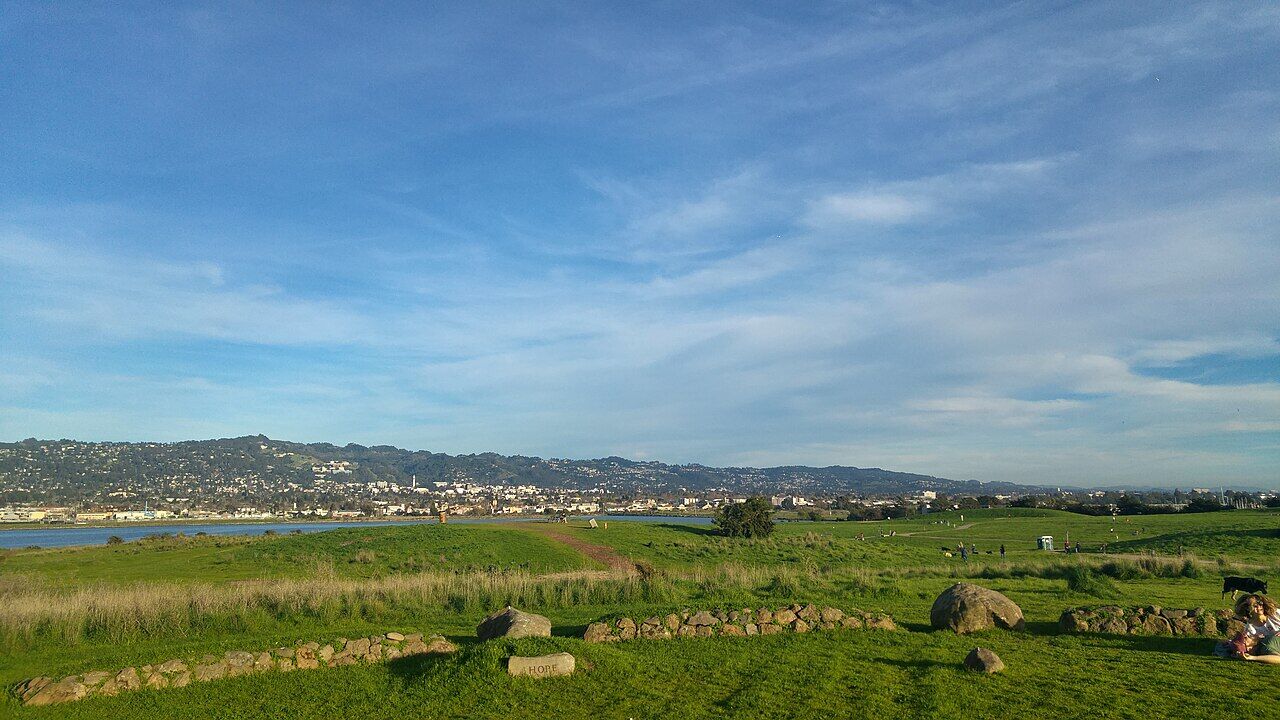
César Chávez Park is a remarkable transformation story—a 90-acre former municipal landfill, closed in the 1990s, that has been revitalized into one of the Bay Area’s most distinctive open spaces. Built on landfill, the park rises as a series of grassy hills commanding sweeping views of the San Francisco Bay, Bay Bridge, Golden Gate Bridge, Alcatraz, Angel Island, and the surrounding hills. The open terrain and consistent winds make it the region’s premier kite-flying destination and host of the Pacific Coast Kite Championships.
Named in 1996 to honor labor leader César Chávez, the park represents both environmental restoration and public commitment to waterfront access. What was once a dumping ground is now a beloved gathering place for Berkeley residents and visitors.
Features and Activities
The park’s defining feature is its open, wind-swept hillside offering unobstructed views in all directions. Grassy knolls and gentle slopes invite picnicking, sitting, and sprawling under the open sky. The lack of trees creates a markedly different experience than the shaded parks of the Berkeley Hills.
Kite flying is the signature activity—the open space, consistent winds, and clear sight lines make this ideal for both casual fliers and competitive kite sports enthusiasts. The Pacific Coast Kite Championships are held here annually.
The Burrowing Owl Sanctuary, located on the eastern side of the park, protects a population of small burrowing owls that nest in underground burrows. Viewing tubes allow visitors to observe the owls, particularly in winter months. This habitat restoration is a key part of the park’s ecological mission alongside recreational use.
A 17-acre off-leash dog park allows dogs to run freely, making this a major draw for dog owners. Wide paved paths accommodate walking, biking, and recreational use throughout the park.
Landscape and History
The park’s rolling hills are entirely human-made, created through landfill engineering and decades of settling. The slopes are stabilized but occasionally settle, creating subtle topographic changes. Grasses and wildflowers have been planted and now provide seasonal color, particularly in spring when native wildflowers bloom.
The park’s history as a landfill is not hidden—it’s acknowledged and studied as an example of successful environmental remediation and adaptive reuse. Educational signage explains the transformation and restoration process.
Access and Practical Information
The park is free and open daily year-round. Parking is available in dedicated lots, though parking fills on sunny weekends and during special events like the kite championships. The park is completely open—there are no restrooms or food facilities on-site, so plan accordingly. Picnicking is encouraged, and the open terrain is suitable for any food preparation or consumption that doesn’t require cooking.
The park’s exposure offers limited shade; bring sunscreen and a hat for warm-weather visits. Winds can be strong; bring a windbreaker even in mild weather. The park is accessible by car from University Avenue or Frontage Road along the Berkeley Marina. Public transit connections are limited; BART and AC Transit serve the marina area with a walk or short bike ride to the park.
The park works well in combination with other waterfront attractions: the nearby Adventure Playground, Shorebird Park Nature Center, and Berkeley Pier are all within walking or short driving distance.
Advertisement
More Parks & Outdoors
Berkeley Marina
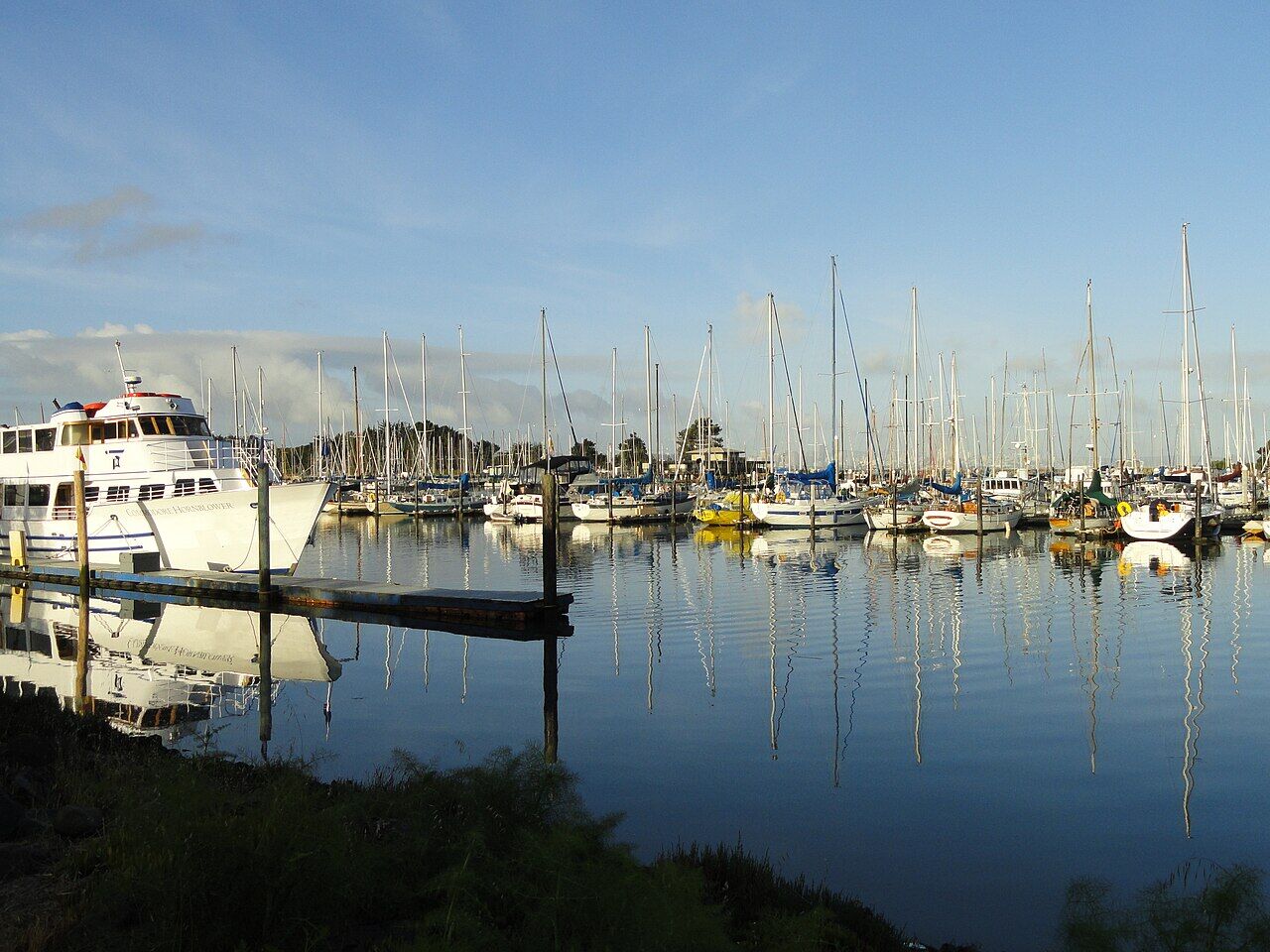
Working waterfront with boating, water sports, restaurants, and bay views.
Berkeley Rose Garden
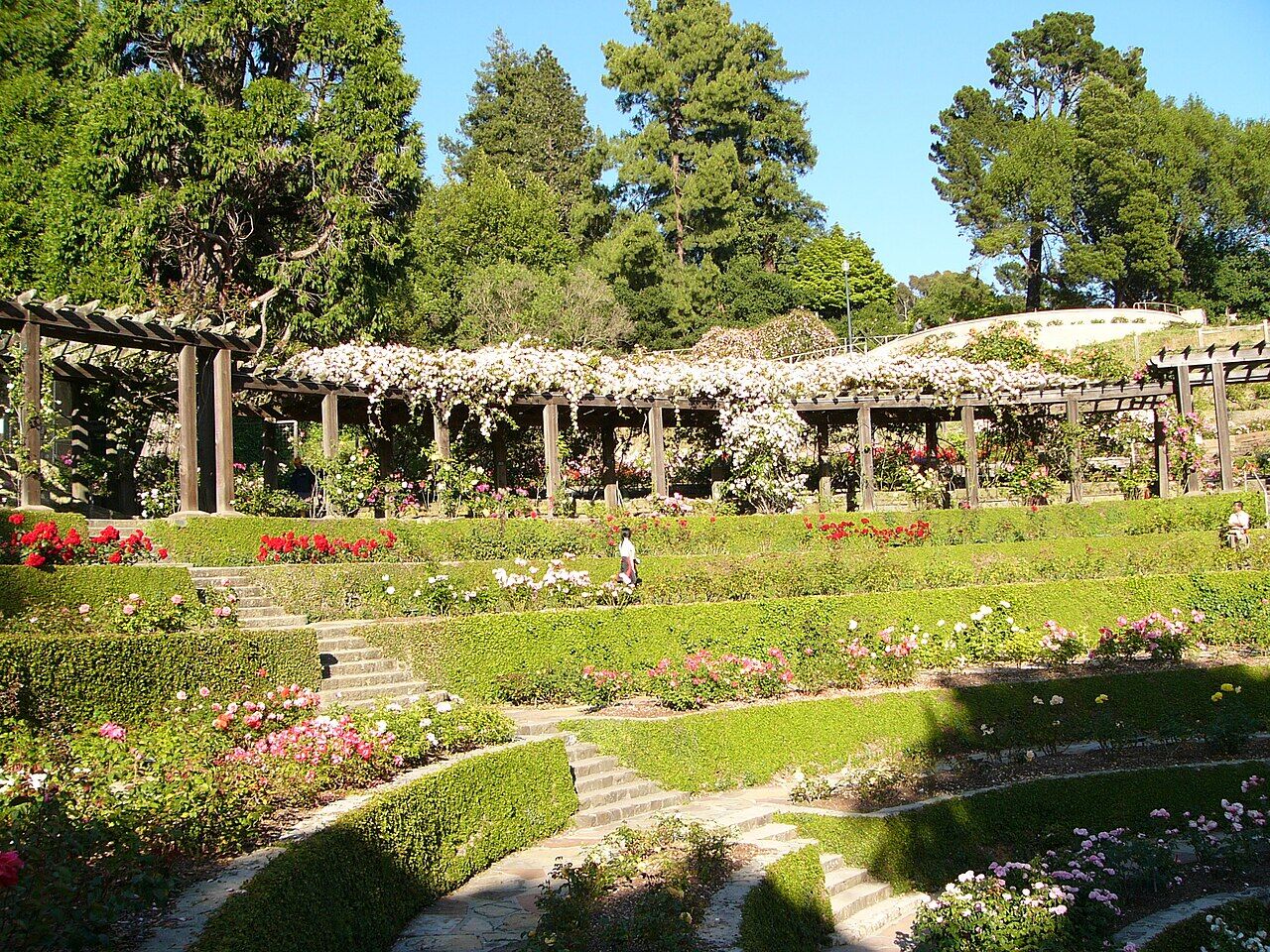
Historic 3-acre garden with 1,500 rose bushes and panoramic views of the Golden Gate Bridge.
Codornices Park
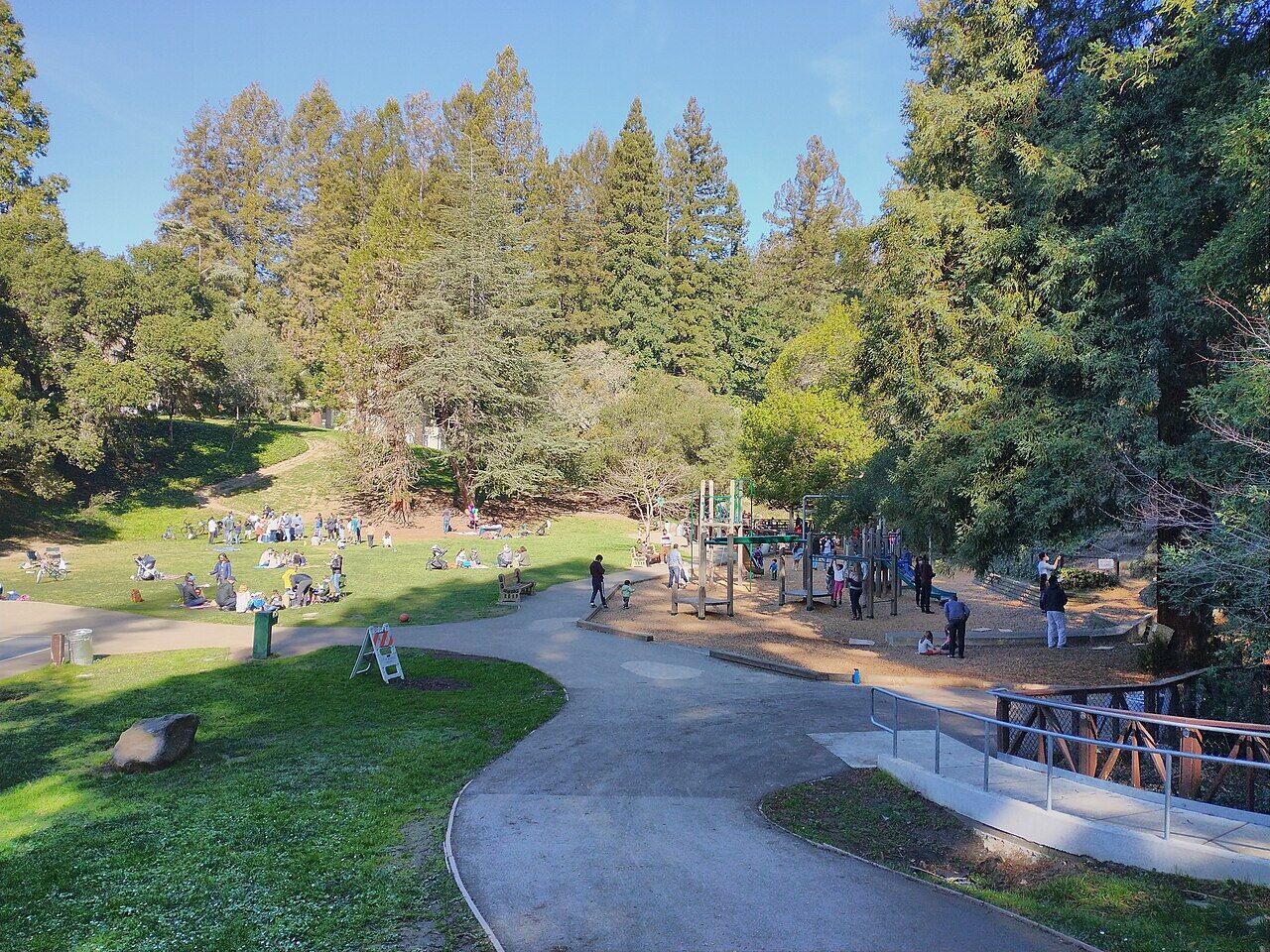
North Berkeley park with creek, waterfall trails, and connection to Berkeley Rose Garden.