Neighborhoods · Central Berkeley
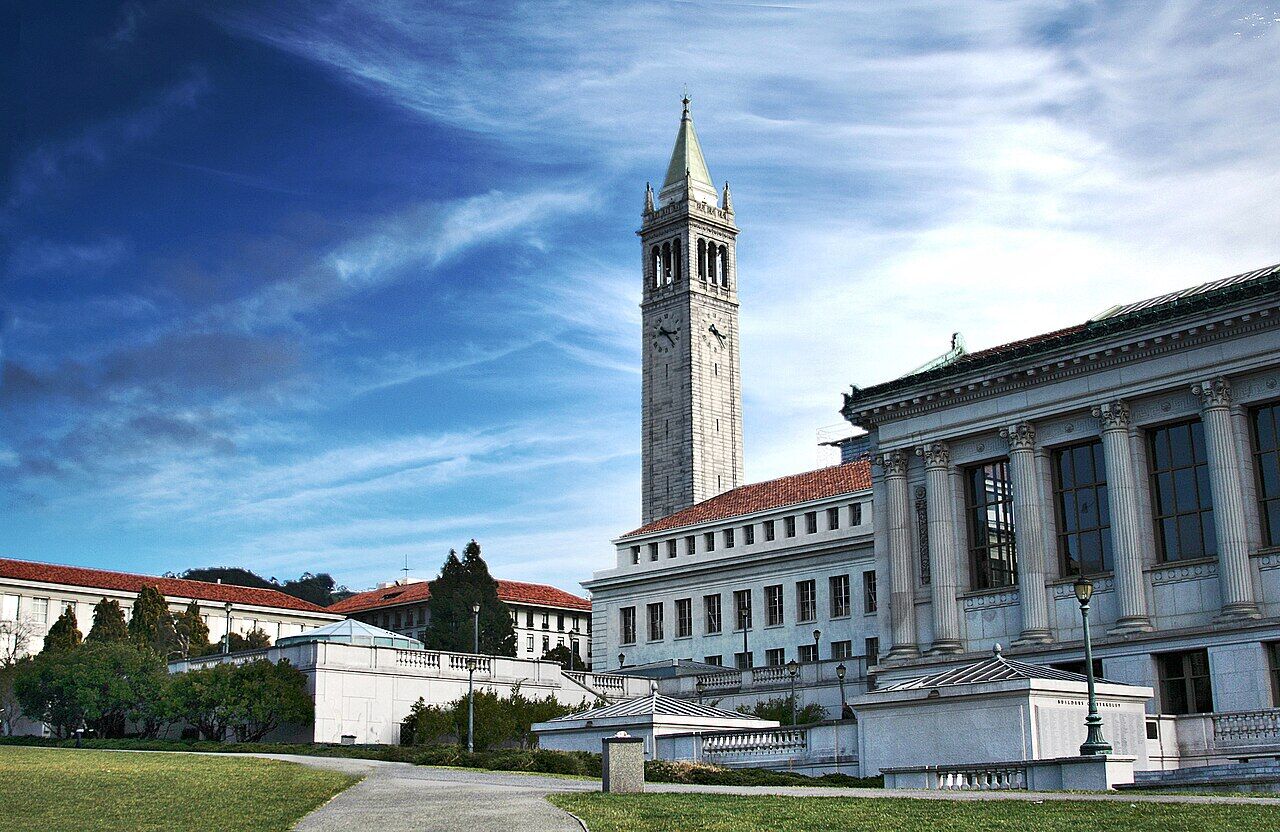
UC Berkeley Campus
Academic heart of Berkeley with iconic Campanile, gardens, museums, and historic architecture.
Photo: brainchildvn on Flickr, CC BY 2.0, via Wikimedia Commons

Advertisement
Overview
The UC Berkeley campus is a 1,232-acre academic institution housing world-class museums, iconic architecture, and extensive gardens. Beyond its role as one of the nation’s finest universities, the campus is a major tourist destination and gathering place for the Berkeley community. Walking the grounds offers insights into California history, student culture, and intellectual life.
History and Character
UC Berkeley, founded in 1868, is the flagship campus of the University of California system. The campus sits in the foothills above downtown Berkeley, with stunning views of the Bay and San Francisco beyond. The architecture ranges from historic 19th-century buildings to modern structures, creating a blend of tradition and innovation. The campus has been central to major historical movements, from the 1960s Free Speech Movement to contemporary activism and scholarship.
Main Features and Boundaries
The campus extends from Bancroft Way on the south to Hearst Avenue on the north, and from Oxford Street on the west to Gayley Road on the east. The iconic Sather Tower (the Campanile) dominates the skyline at 307 feet tall and is visible from much of the Bay Area. South Campus includes the main academic buildings and Sproul Plaza, a traditional gathering place. North Campus contains residence halls and athletic facilities. The botanical gardens and natural areas provide green spaces throughout.
What to See
The 307-foot Campanile is Berkeley’s most recognizable landmark, offering views from its observation deck. Sproul Plaza hosts student life and is the birthplace of the Free Speech Movement—a granite plaque marks the exact spot. The campus includes over a dozen museums and galleries: UC Berkeley Art Museum, the Bancroft Library (housing rare books and manuscripts), and the Hearst Museum of Anthropology. The UC Botanical Garden at Strawberry Canyon features plants from around the world. Self-guided tours of Black history across 14 significant campus sites offer cultural depth.
Campus Tours
UC Berkeley offers free 90-minute accessible walking tours seven days a week (registration required). Student ambassadors cover academics, history, student life, and campus infrastructure. Audio tours, including “The Future Freshman’s Walk,” guide visitors through major sites and hidden details. Rub the 4.0 Ball near Sather Tower for good luck, a Berkeley tradition. The campus environment itself, with its open courtyards and tree-lined paths, rewards exploration.
Getting There
The UC Berkeley/Downtown BART station serves the campus, with bus service on AC Transit. The Bancroft Way entrance is the main pedestrian gateway. Parking is available in campus lots, though fees apply and spaces fill quickly on weekdays. Campus is most pleasantly accessed on foot from downtown Berkeley.
Practical Information
The campus is open to the public during most hours, though some buildings require timed entry or registration. Check the campus website for current visiting hours, event schedules, and any closures. Allow 2-3 hours for a meaningful walk through the main areas. The campus is very walkable, though hilly terrain in some sections requires moderate effort.
Advertisement
More Central Berkeley
Downtown
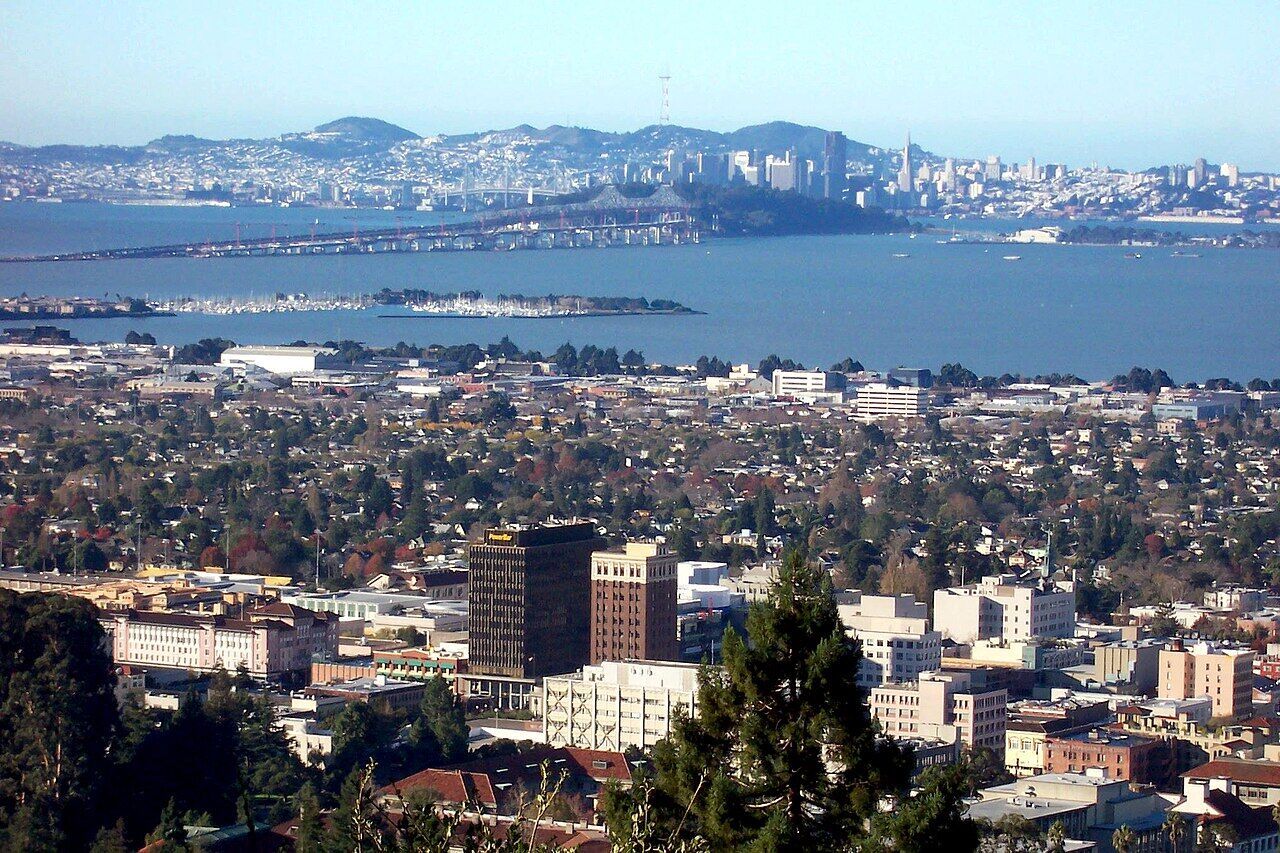
Berkeley's lively downtown hub of shops, restaurants, and culture centered on Shattuck Avenue.
Northside
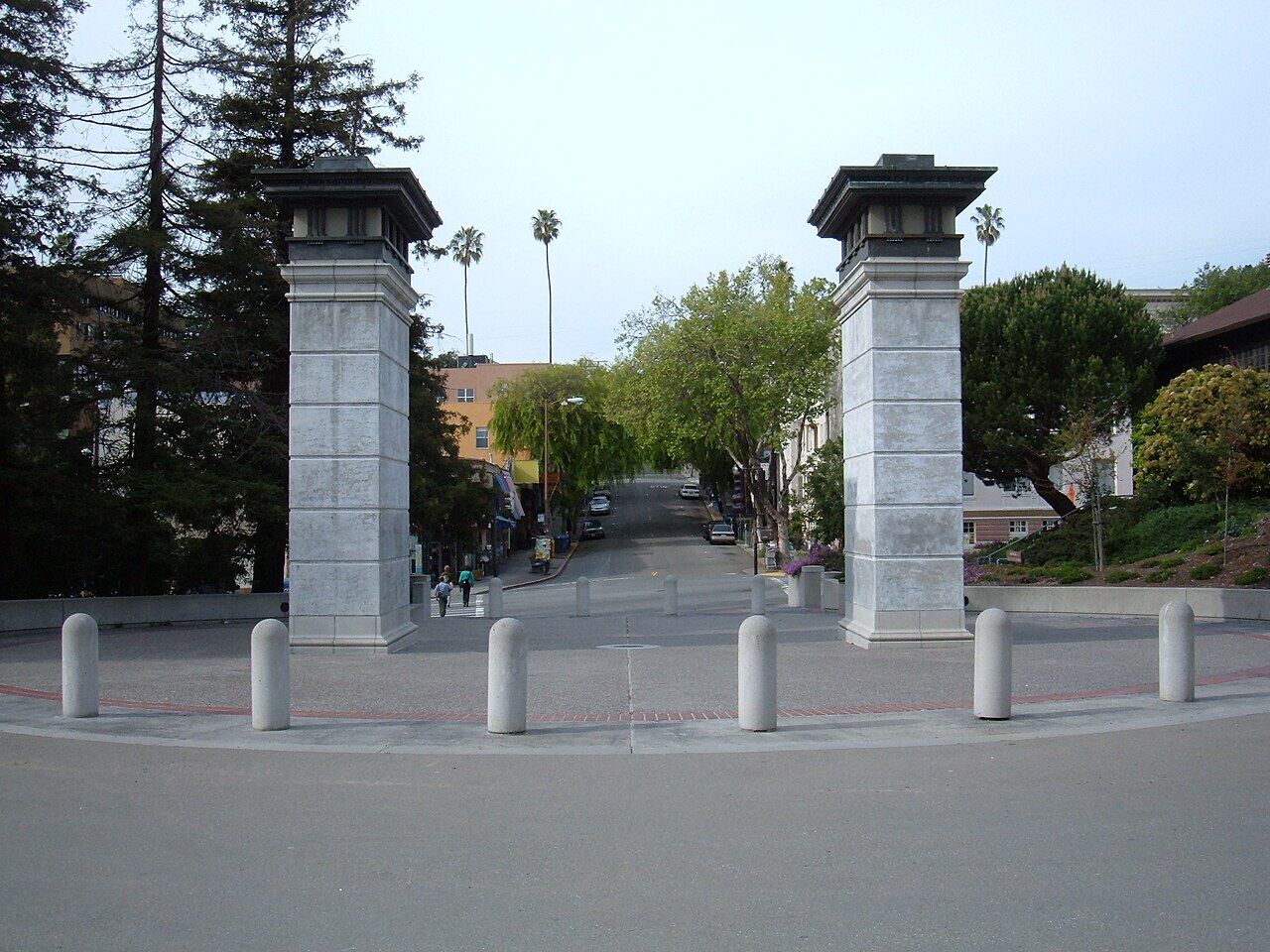
Historic residential neighborhood with Victorian homes, tree-lined streets, and local shops.
Southside & Telegraph
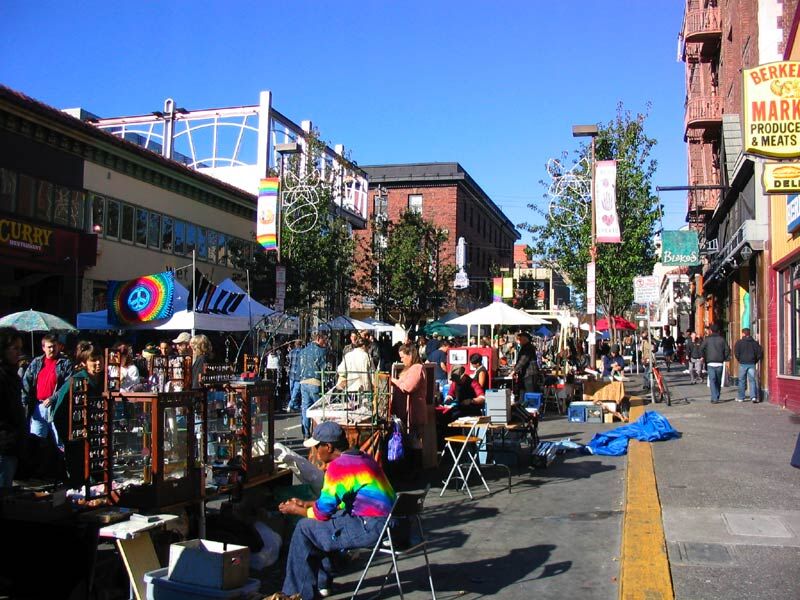
Lively student neighborhood on Telegraph Avenue with eclectic food, shops, and street vendors.