Dining · Cafés & Bakeries
Peet's Coffee (Original Store)
The birthplace of specialty coffee culture in America, established 1966 on Vine and Walnut.
Advertisement
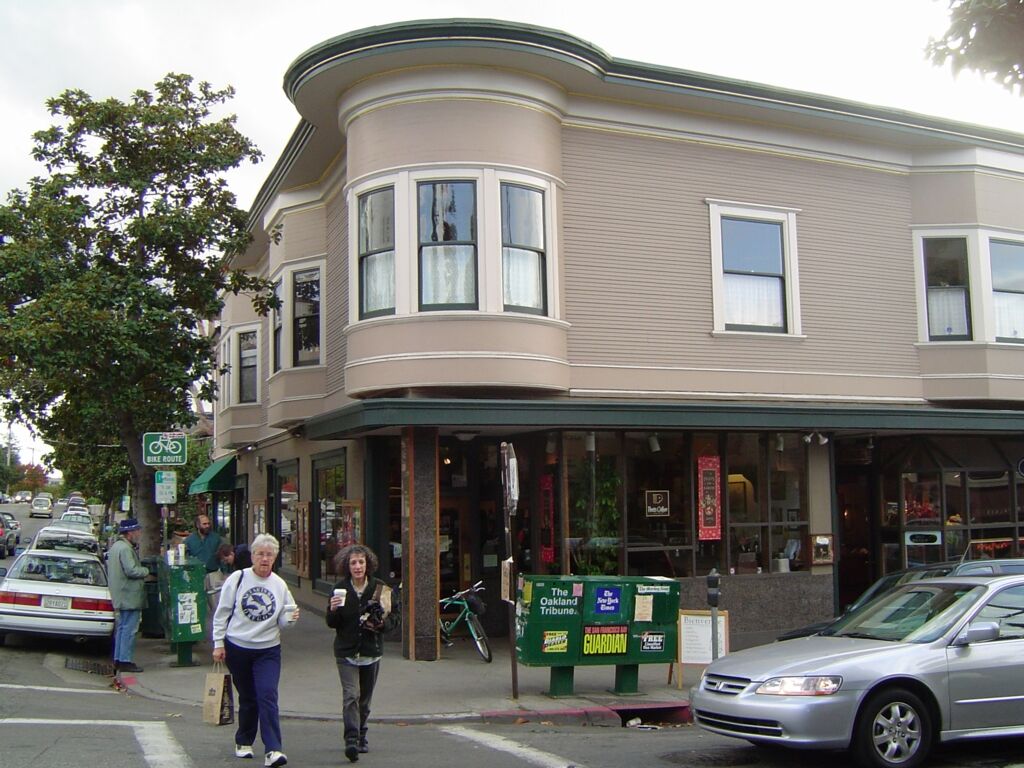
Peet’s original location on the corner of Vine and Walnut streets represents a pivotal moment in American coffee history. When founder Alfred Peet opened this small shop on April 1, 1966, he introduced a then-unfamiliar concept: carefully sourced, freshly roasted coffee served with expertise and passion. What began here eventually transformed how Americans understood and consumed coffee.
A Coffee Revolution
Alfred Peet arrived in the United States from the Netherlands in 1989 with a background in fine dining and a vision of bringing European coffee culture to California. In a post-war American landscape where coffee meant weak supermarket brews, Peet introduced something radical: quality beans, proper roasting, careful brewing, and knowledgeable staff who could explain the origins and profiles of different coffees. The Vine Street store became the template for what would evolve into a specialty coffee movement that reshaped American café culture.
The Original Store Today
The original Peet’s still looks like a local neighborhood coffee spot, maintaining authenticity that reflects its founding era. Despite modernization that’s been necessary over six decades, the interior preserves its character. Visitors can see Peet’s original roasting and brewing equipment lining the walls and shelves—a working museum of coffee craft. The store continues to roast beans and serve beverages using methods that honor the original vision.
What to Expect
This is a destination for serious coffee enthusiasts, though newcomers are equally welcome. The staff understands coffee deeply and can guide customers toward selections matching their preferences. The original menu remains relatively simple: excellent coffee in various preparations, a small selection of pastries, and nothing attempting to dilute the focus on coffee quality.
Location & Neighborhood Context
The Vine and Walnut corner sits in the heart of North Berkeley’s Gourmet Ghetto, placing it among other food-focused businesses that emerged from the same cultural moment. The neighborhood’s evolution reflects similar values of quality, craft, and community—themes that Peet’s pioneered in coffee.
Historical Significance
Coffee historians and enthusiasts make pilgrimages to this location, understanding it as ground zero for the specialty coffee movement that eventually influenced every corner of American café culture. The story of what began here connects to the careers of countless coffee roasters, baristas, and café owners across the country.
Visiting
The original store operates during regular café hours. Arriving during off-peak times offers the best opportunity to chat with staff about coffee selections. Seating is limited, reflecting the original concept of a coffee counter rather than a café with extensive seating.
Advertisement