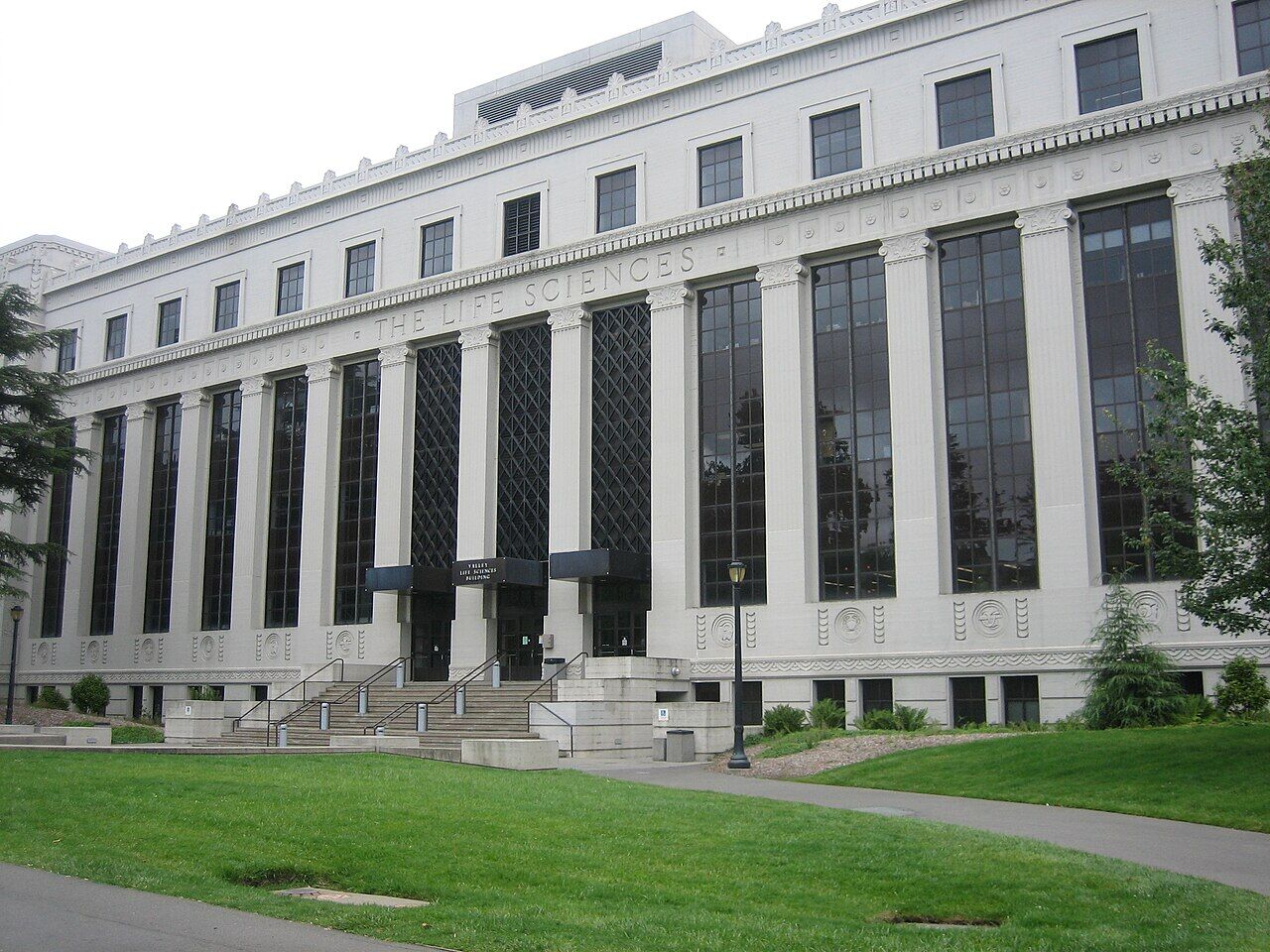
Attractions · Campus & Museums
UC Museum of Paleontology
Research museum with one of the world's largest fossil collections, limited public exhibits in Valley Life Sciences.

Advertisement
The UC Museum of Paleontology (UCMP) is one of the world’s major paleontological research institutions, housing one of the largest collections of fossils of any university museum. Established in 1921, the museum serves as both a world-class research facility and, on a limited basis, a public space where visitors can encounter fossils that reveal the deep history of life on Earth.
Research Collections and Significance
UCMP contains an extraordinary paleontological collection spanning hundreds of millions of years of Earth’s history. The museum’s specimen collection is organized by major groups: Fossil Prokaryotes and Protists, Fossil and Recent Invertebrates, Paleobotany and Palynology, and Vertebrate Paleontology. This comprehensive organization allows researchers to study evolutionary patterns across different organisms and time periods.
The fossil collections come primarily from western North America and represent major research efforts over more than a century. Many specimens were collected during landmark paleontological expeditions and have been the subject of groundbreaking research. UCMP is recognized internationally as a primary repository for paleontological knowledge and has trained generations of paleontologists.
Public Access and Displays
Unlike some museums with extensive public galleries, UCMP functions primarily as a research facility. The bulk of the collection is stored in specialized facilities designed to preserve and protect fragile fossils. However, visitors can see a limited but significant selection of fossils on display in the Valley Life Sciences Building (VLSB). These displays showcase iconic specimens and allow the public to appreciate the diversity and age of life forms that populated Earth.
The museum does not have formal exhibit hours or admission fees for these public displays. Instead, visitors can view what is on display when the VLSB building is open during normal university hours. The displays are integrated into the building’s public spaces, making them accessible to anyone visiting the campus.
The Valley Life Sciences Building
UCMP is located within the Valley Life Sciences Building, a historic structure designed by George W. Kelham and completed in 1930. The building’s architecture reflects early-20th-century neoclassical institutional design. The building houses multiple departments and research programs in addition to UCMP, supporting the university’s life sciences research mission.
Research and Education Mission
Beyond its collections and displays, UCMP serves crucial research and educational functions. The museum facilitates scholarly work on paleontological questions—understanding evolutionary change, extinction events, adaptation, and the history of life. The collections support doctoral dissertations, peer-reviewed research, and contributions to paleontological knowledge.
UCMP also engages in public education about paleontology and evolution. The museum’s website provides educational resources, images of specimens, and information about paleontological science accessible to students and the general public.
Statewide Significance
Though located at UC Berkeley, UCMP serves as the primary repository for fossils collected throughout California. This statewide role means the museum houses specimens from diverse geographies within the state, making it a crucial resource for understanding California’s geological and biological history.
Research Programs and Expeditions
UCMP continues active research, including field expeditions to collect new fossils and laboratory studies of existing collections. Museum researchers are active scholars publishing in major journals and contributing to paleontological conferences. The museum thus remains a living research institution, not merely a repository of historical collections.
Getting There and Visiting
The Valley Life Sciences Building is located on the UC Berkeley campus. From the Downtown Berkeley BART station, the walk is about 15–20 minutes. AC Transit buses serve the campus. Limited visitor parking is available. The building’s central campus location makes it accessible as part of a broader campus visit.
Tips for Your Visit
When visiting the Valley Life Sciences Building, look for information about the paleontology displays. Ask building staff or volunteers if you want to learn more about specific fossils or the museum’s collections and research. The museum’s website has images and information about major specimens that you can review before or after your visit. UCMP offers educational programming and lectures occasionally, which can be found on their website. The displays are best appreciated slowly, taking time to understand what each fossil tells about ancient life. Combining your visit to the paleontology displays with other campus museums creates a comprehensive museum day.
Advertisement
More Campus & Museums
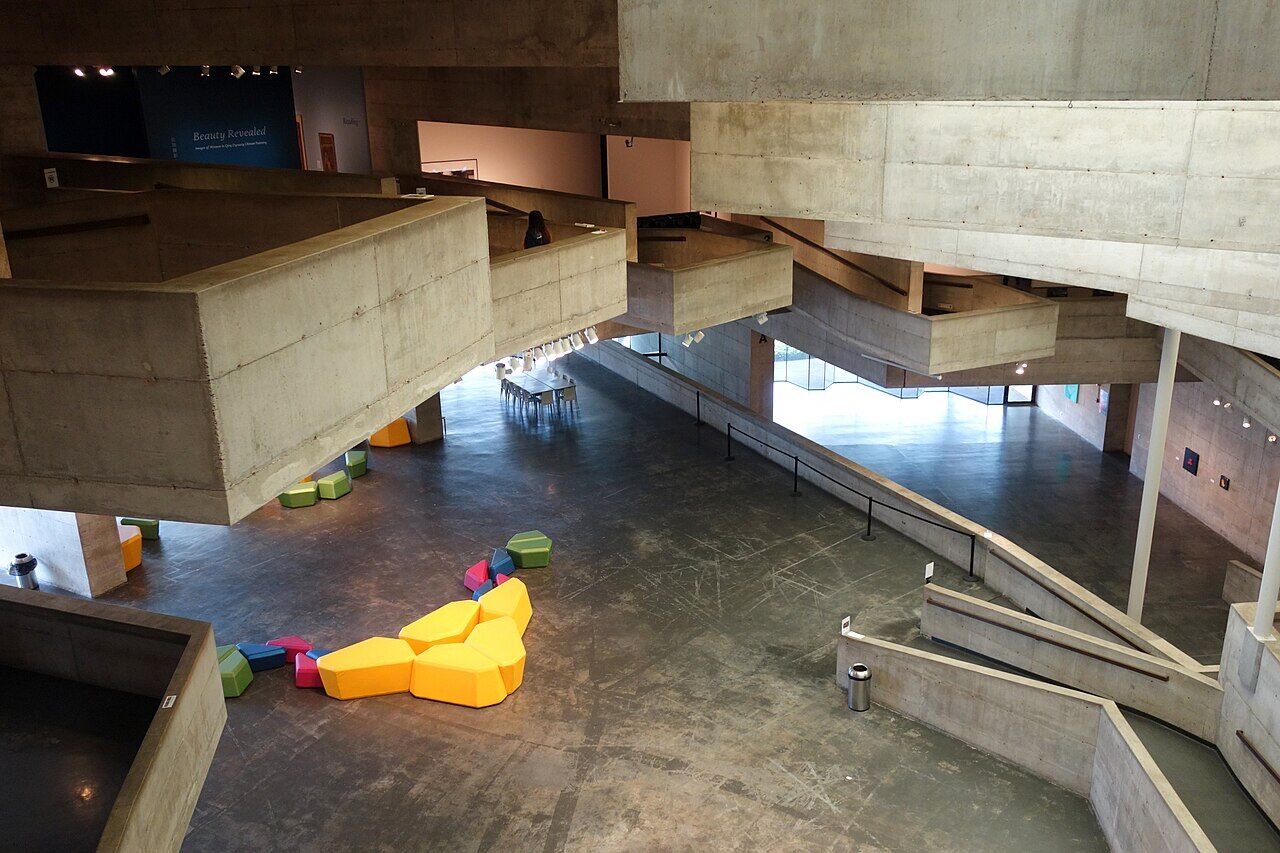
Berkeley Art Museum and Pacific Film Archive
Contemporary art and film venue with 25,000+ artworks and experimental cinema programming.
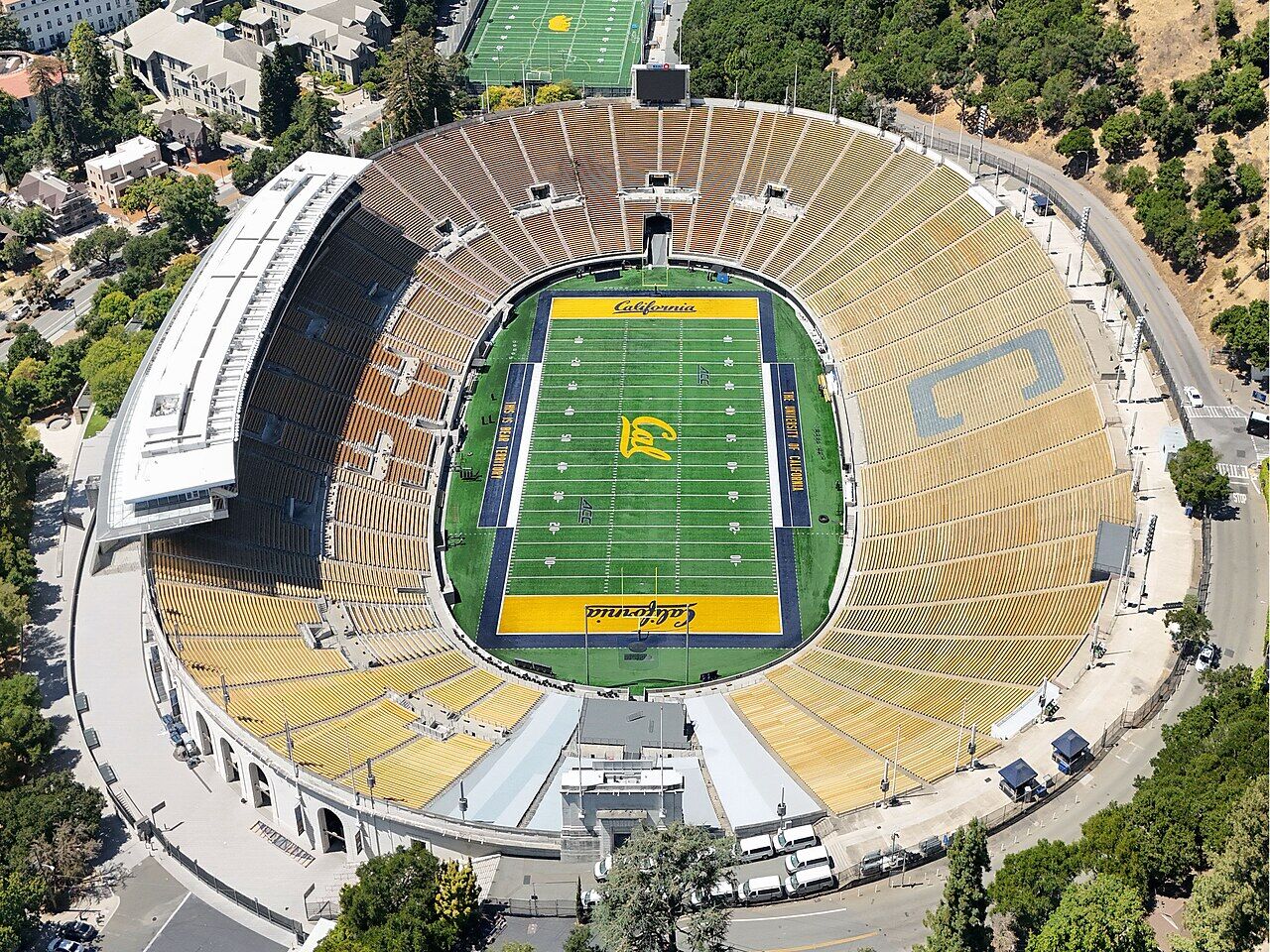
California Memorial Stadium
Historic 1923 football stadium honoring WWI fallen, with scenic views and Golden Bears football.
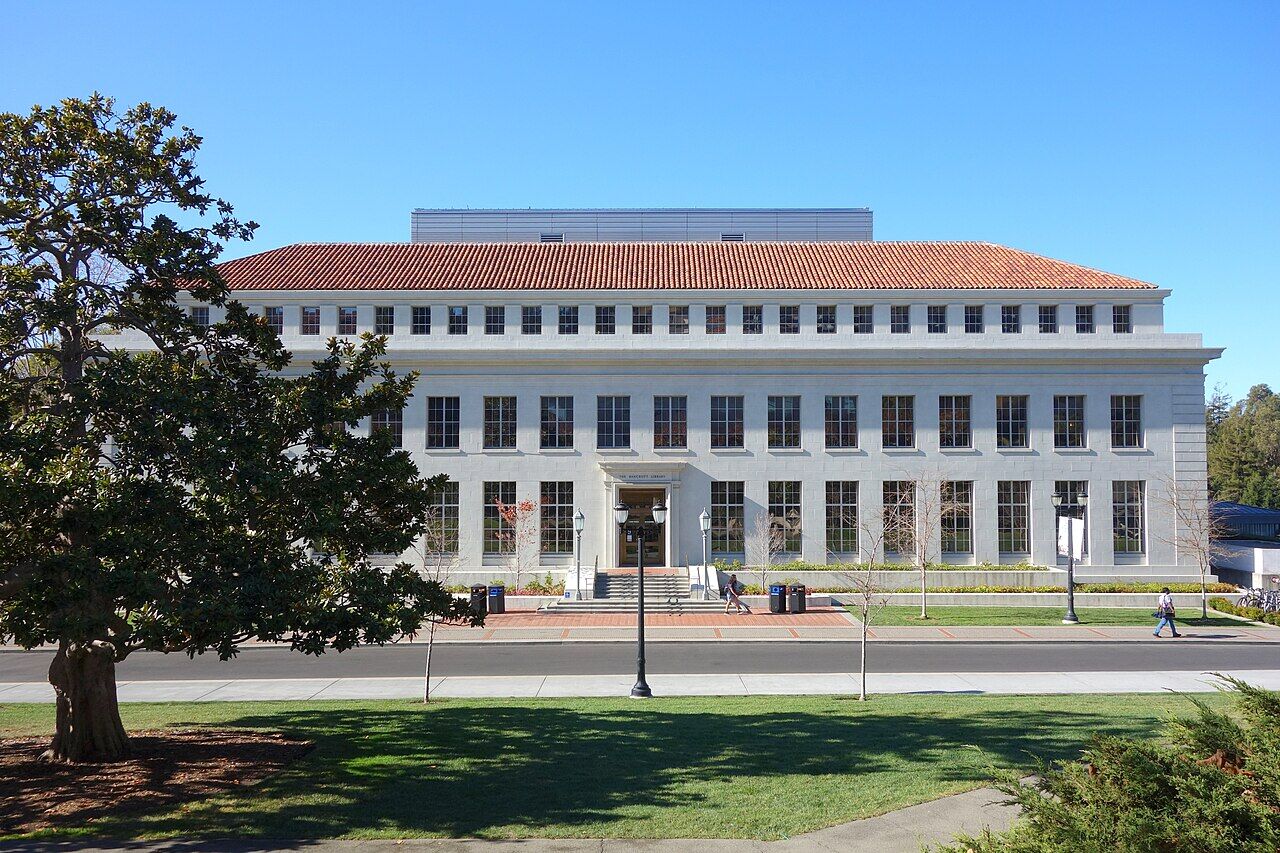
Doe and Bancroft Libraries
Historic library buildings housing millions of books and rare manuscripts, architectural gems on campus.