Attractions · Campus & Museums
Sproul Plaza
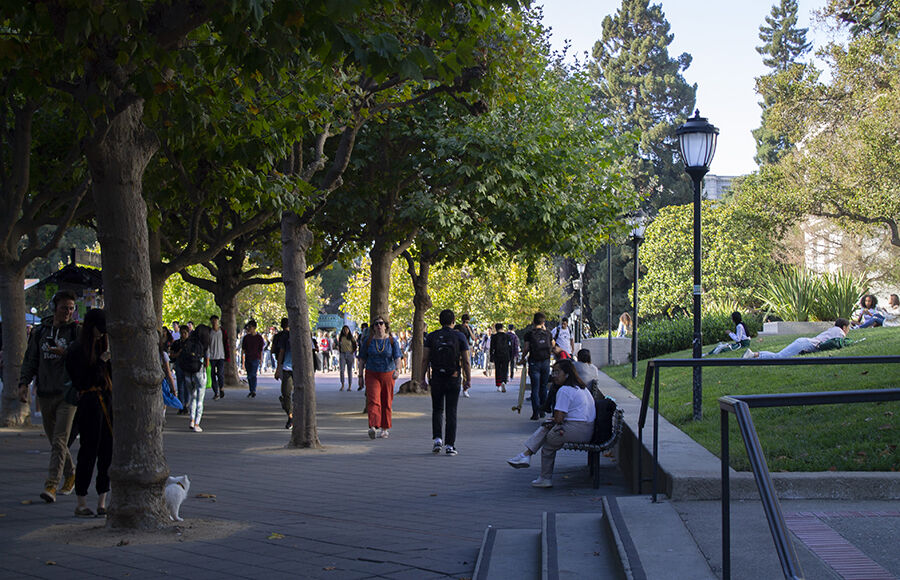
Historic campus gathering space, center of Free Speech Movement activism, and student hub.
Photo: Ireland Wagner / Staff for The Daily Californian, 0BSD, via Wikimedia Commons

Advertisement
Sproul Plaza stands as the beating heart of UC Berkeley’s student life and a historically significant gathering space whose role in American activism extends far beyond the campus. Named for Robert Gordon Sproul, the university’s president from 1930 to 1952, the plaza has witnessed decades of student protests, celebrations, cultural performances, and the free expression that defines Berkeley’s identity.
Design and Layout
Designed by renowned landscape architect Lawrence Halprin in 1962, Sproul Plaza is actually two distinct spaces linked vertically. Upper Sproul and Lower Sproul are separated by about twelve feet in elevation and connected by a dramatic stairway. This vertical separation creates distinct zones: Lower Sproul serves as the main plaza and gathering space, while Upper Sproul, anchored by the grand steps in front of Sproul Hall, functions as a natural amphitheater perfect for speeches and demonstrations.
The plaza’s design facilitates its function as a public gathering space. The stairs leading to Sproul Hall create a raised platform ideal for speakers to address crowds. The open plaza below accommodates hundreds or thousands of people. Pedestrian pathways invite casual movement and lingering.
Free Speech and Activism History
Sproul Plaza gained prominence in 1964 when Mario Savio delivered his famous speech from the Sproul Hall steps during the Free Speech Movement. His words—”There’s a time when the operation of the machine becomes so odious…you’ve got to put your bodies upon the gears”—became emblematic of student activism and the movement for free expression on campus. The plaza hosted the first significant action of the Free Speech Movement when students occupied Sproul Hall during their protest.
Since 1964, the plaza has continued to serve as a venue for student activism, political rallies, cultural celebrations, and a wide spectrum of campus life. It remains one of the most visible and symbolically important spaces in American higher education for student voice and public discourse.
Daily Life on Sproul Plaza
Beyond its historical significance, Sproul Plaza functions as the social center of campus. Students gather between classes, eat lunch on the steps, perform music, and run clubs and organizations. The plaza is where campus culture is lived. Tables line the plaza during tabling events where student groups share information, recruit members, and raise awareness about causes. Cultural performances, both formal and spontaneous, happen regularly.
Sather Gate and Transition
Sproul Plaza connects to Sather Gate, the 1910 Beaux-Arts gateway designed by John Galen Howard. The gate, which separates the plaza from the bridge crossing Strawberry Creek, functions as a threshold between student-dominated Sproul areas and the more academic core of campus beyond. The combination of Sather Gate, Sather Tower (visible beyond), and the plaza creates one of California’s most photographed collegiate spaces.
Visiting and Experiencing
Sproul Plaza is always accessible and free to visit. The experience varies depending on the day and time. Weekday afternoons see heavy student traffic. Weekend mornings are quieter. During academic breaks, the plaza is emptier. Different seasons bring different energy. Spring, with its outdoor performances and tabling season, pulses with activity.
Nearby Attractions
Sproul Plaza sits adjacent to Doe and Bancroft Libraries, Sather Tower, and Sather Gate. The main campus core is within walking distance. Most visitors naturally experience Sproul as part of a broader campus walk rather than an isolated destination.
Tips for Your Visit
Visit at different times of day to experience different aspects of the space. Lunchtime (noon-1 p.m.) brings crowds and energy. Early morning is quiet and contemplative. Stand on the Sproul Hall steps for the perspective that speakers have and that made this space so powerful during the Free Speech Movement. Walk beyond the main plaza to understand its different zones. Pay attention to the students and their energy—you’re seeing the contemporary manifestation of Berkeley’s legacy. The plaza is best experienced as part of a longer campus walk that includes Sather Tower, the libraries, and surrounding buildings.
Advertisement
More Campus & Museums
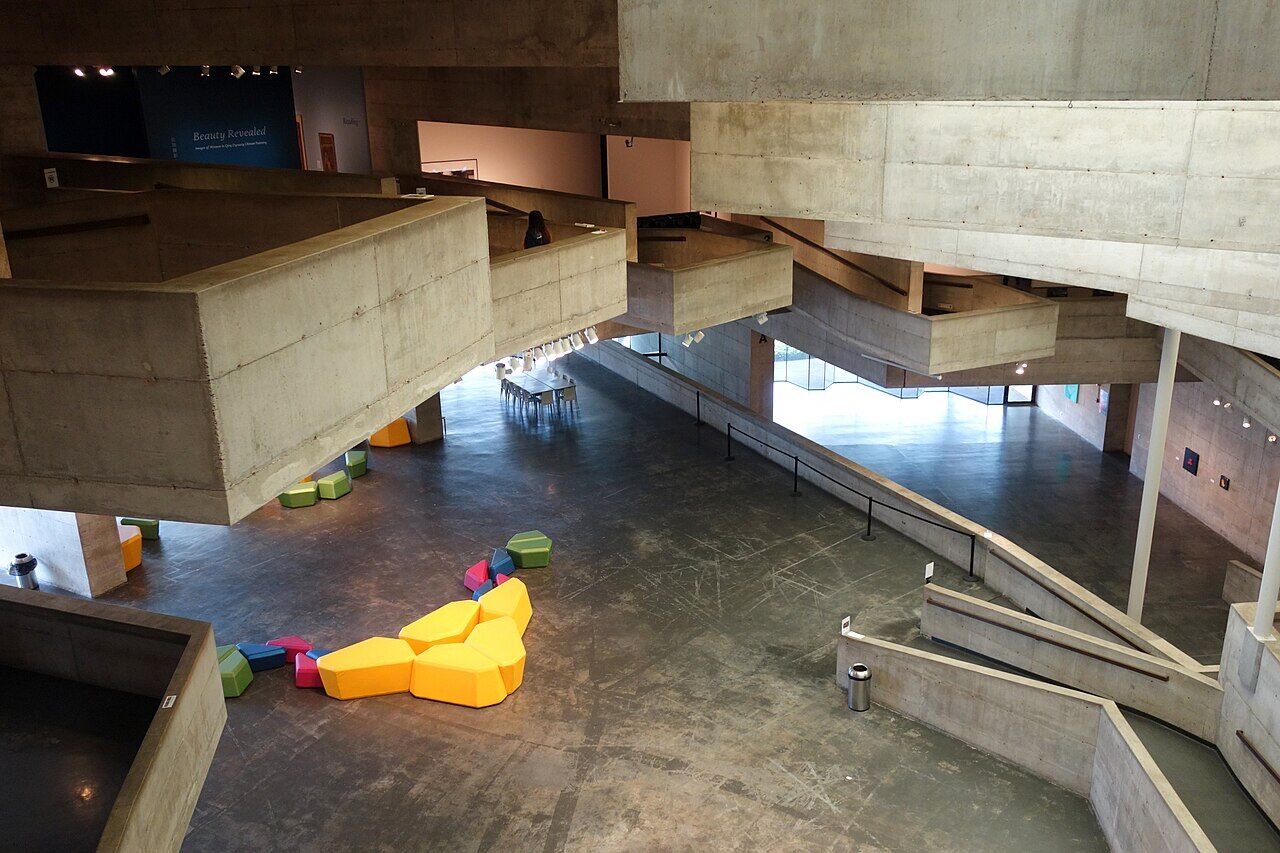
Berkeley Art Museum and Pacific Film Archive
Contemporary art and film venue with 25,000+ artworks and experimental cinema programming.
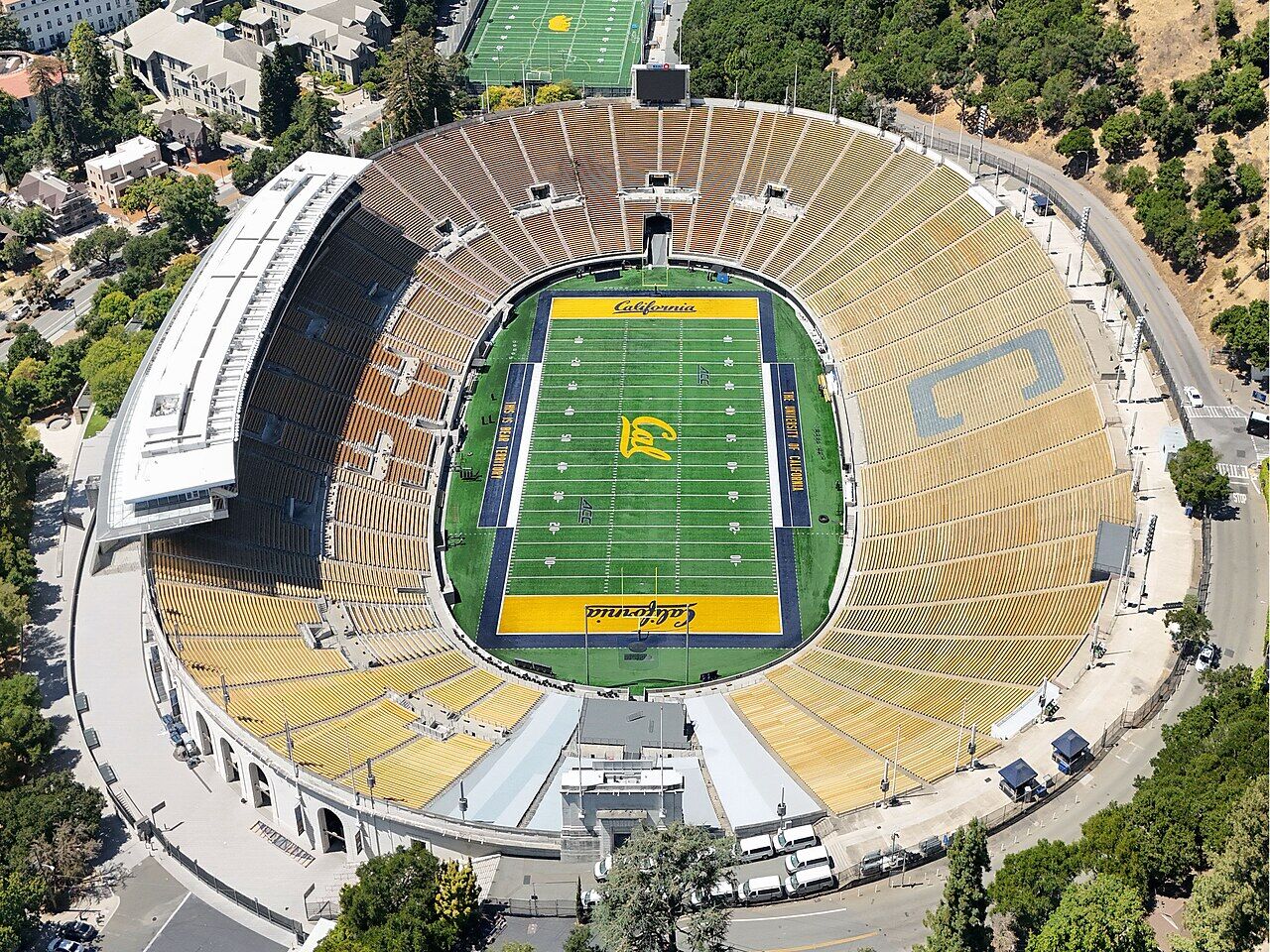
California Memorial Stadium
Historic 1923 football stadium honoring WWI fallen, with scenic views and Golden Bears football.
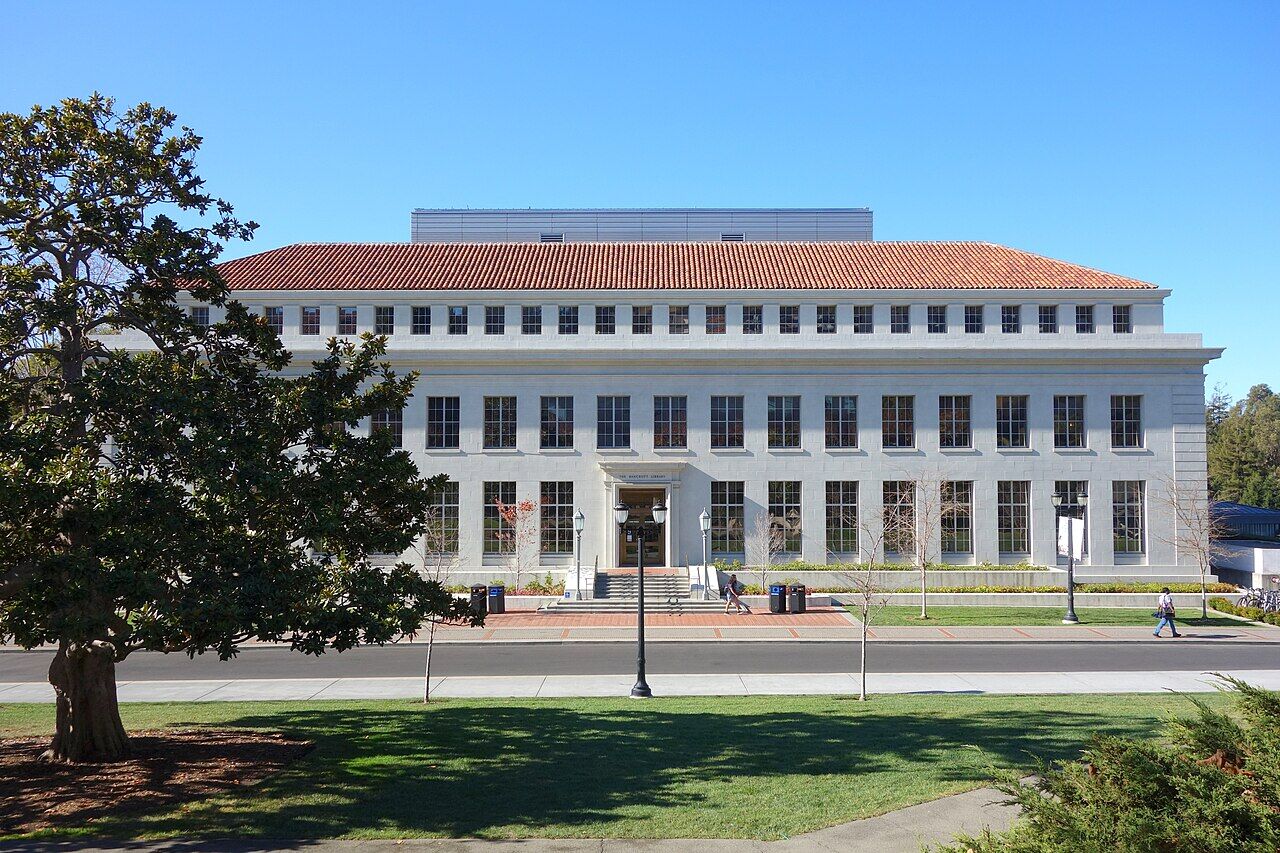
Doe and Bancroft Libraries
Historic library buildings housing millions of books and rare manuscripts, architectural gems on campus.