Attractions · Campus & Museums
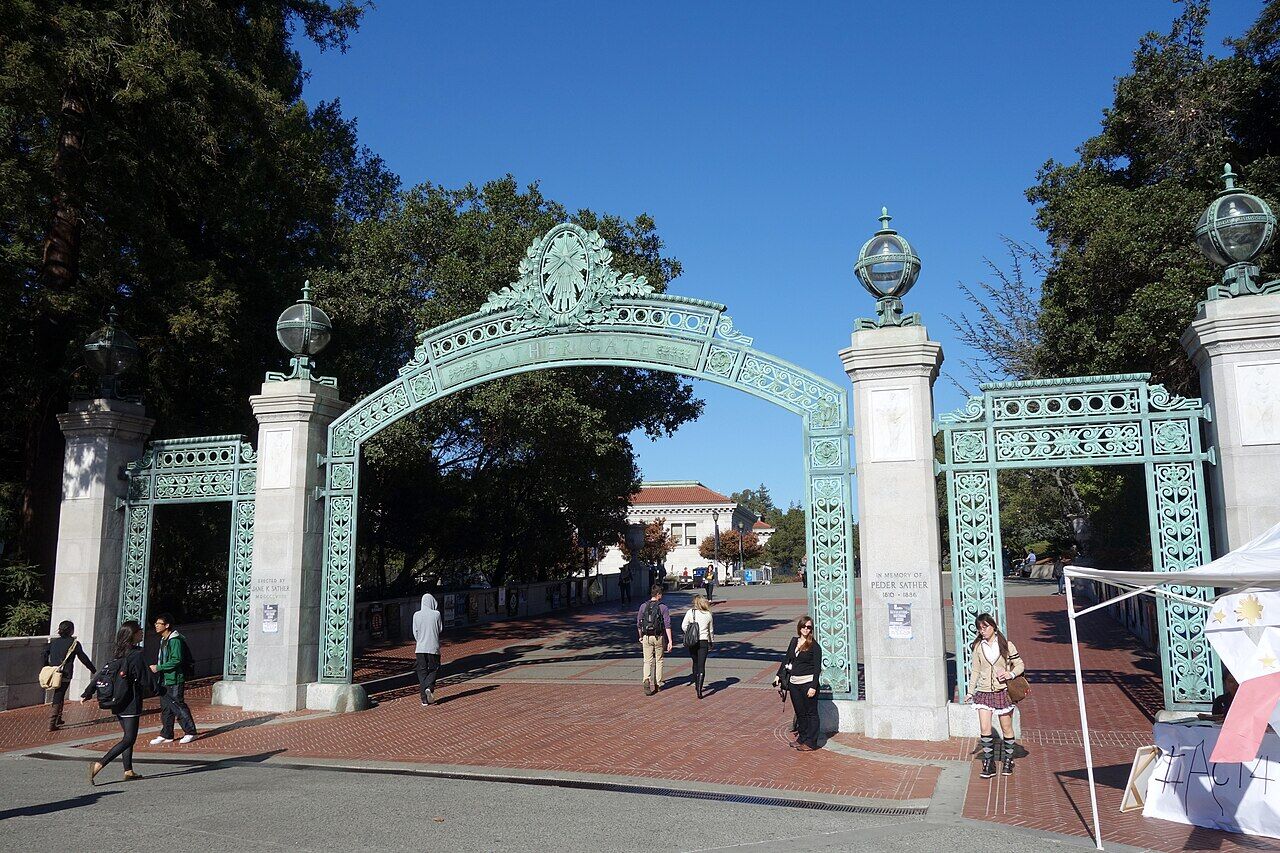
Sather Gate
Historic 1910 Beaux-Arts gateway, symbolic entrance to UC Berkeley campus and political gathering space.

Advertisement
Sather Gate stands as one of UC Berkeley’s most iconic architectural features and a symbolic threshold between the student-centered Sproul Plaza area and the academic heart of campus. Built in 1910 in the Classical Revival-Beaux-Arts architectural style, the gate has served as a backdrop to over a century of Berkeley’s history, witnessing campus life, political activism, and the evolution of student culture.
Design and Architecture
Sather Gate was designed by John Galen Howard, the architect who shaped much of Berkeley’s early campus landscape. The gate exemplifies Beaux-Arts design principles: symmetrical, formally composed, and enriched with classical details. The structure consists of a central archway flanked by lower pavilions, creating a dignified portal. Carved stonework and proportions reflect early-20th-century ideals about institutional beauty and permanence.
The gate’s formal character contrasts with its function as a living public space. It is not merely decorative but a working threshold where thousands of people pass daily. This combination of architectural refinement and practical use gives Sather Gate its distinctive character.
Historical Background and Naming
The gate was funded and donated by Jane K. Sather, a major benefactor of UC Berkeley, in memory of her late husband Peder Sather, who was a trustee of the College of California (which became UC Berkeley). The gate thus commemorates both supporters of the university and early educational leaders. It was added to the National Register of Historic Places on March 25, 1982, recognizing its architectural and historical significance.
Location and Role
Sather Gate separates Sproul Plaza from the bridge crossing Strawberry Creek, marking the transition from the main student gathering areas to the more academic central campus. The view through the gate frames Sather Tower beyond it, creating one of the most photographed vistas on the Berkeley campus. The gate serves as both a physical and symbolic threshold.
Role in Student Culture and Activism
Beyond its architectural significance, Sather Gate has been central to Berkeley student life and activism. The gate and surrounding Sproul Plaza area has hosted rallies, demonstrations, and political gatherings throughout Berkeley’s history. During the Great Depression, World War II, the McCarthy era, and especially the Free Speech Movement of the 1960s, the gate has been a focal point for student expression and activism.
The gate remains a place where students gather, political groups table, and Berkeley culture manifests visually. It is where campus politics and broader social movements have intersected. Passing through Sather Gate, one literally crosses into Berkeley’s tradition of intellectual freedom and student voice.
Architectural and Cultural Significance
Sather Gate and the accompanying Sather Tower (Campanile) have become iconic symbols of UC Berkeley. Together with Sproul Plaza, they constitute one of the most recognizable campus vistas in American higher education. The gate and tower appear in countless photographs, promotional materials, and cultural references related to Berkeley and California.
Visiting and Photography
Sather Gate’s visual appeal makes it a natural focal point for campus photography and visits. The formal composition of the gate itself is photogenic, and the framed view toward Sather Tower beyond it is iconic. Many visitors to Berkeley campus make a point of photographing the gate, especially at different times of day and seasons when light and atmosphere change the appearance.
Proximity to Other Campus Landmarks
Sather Gate sits immediately adjacent to Sproul Plaza and very near Doe and Bancroft Libraries, making it a natural waypoint on any campus walking tour. The surrounding area is rich with campus history and architecture. A walk through Sather Gate onto campus proper provides access to the Campanile, memorial groves, and other significant structures.
Tips for Your Visit
Visit Sather Gate at different times of day—morning light differs from afternoon light, and the atmosphere changes with student activity levels. Stand at various points to appreciate the gate’s composition and the framed view of the Campanile beyond it. Read any informational plaques about the gate’s history and meaning. Walk through the gate onto campus proper to experience the threshold it marks. Combine your gate visit with exploration of Sproul Plaza and nearby libraries and campus buildings. The gate is best appreciated as part of the larger campus landscape rather than as an isolated attraction.
Advertisement
More Campus & Museums
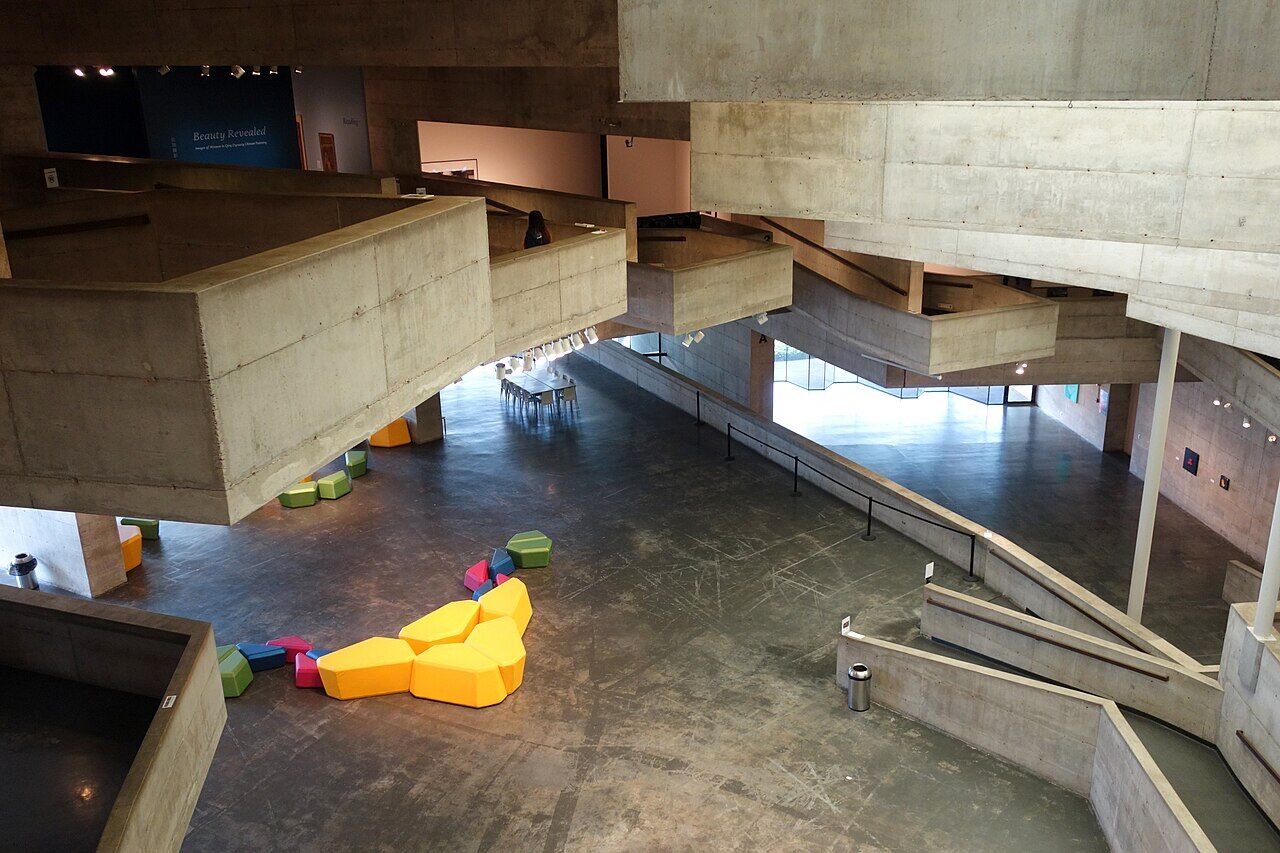
Berkeley Art Museum and Pacific Film Archive
Contemporary art and film venue with 25,000+ artworks and experimental cinema programming.
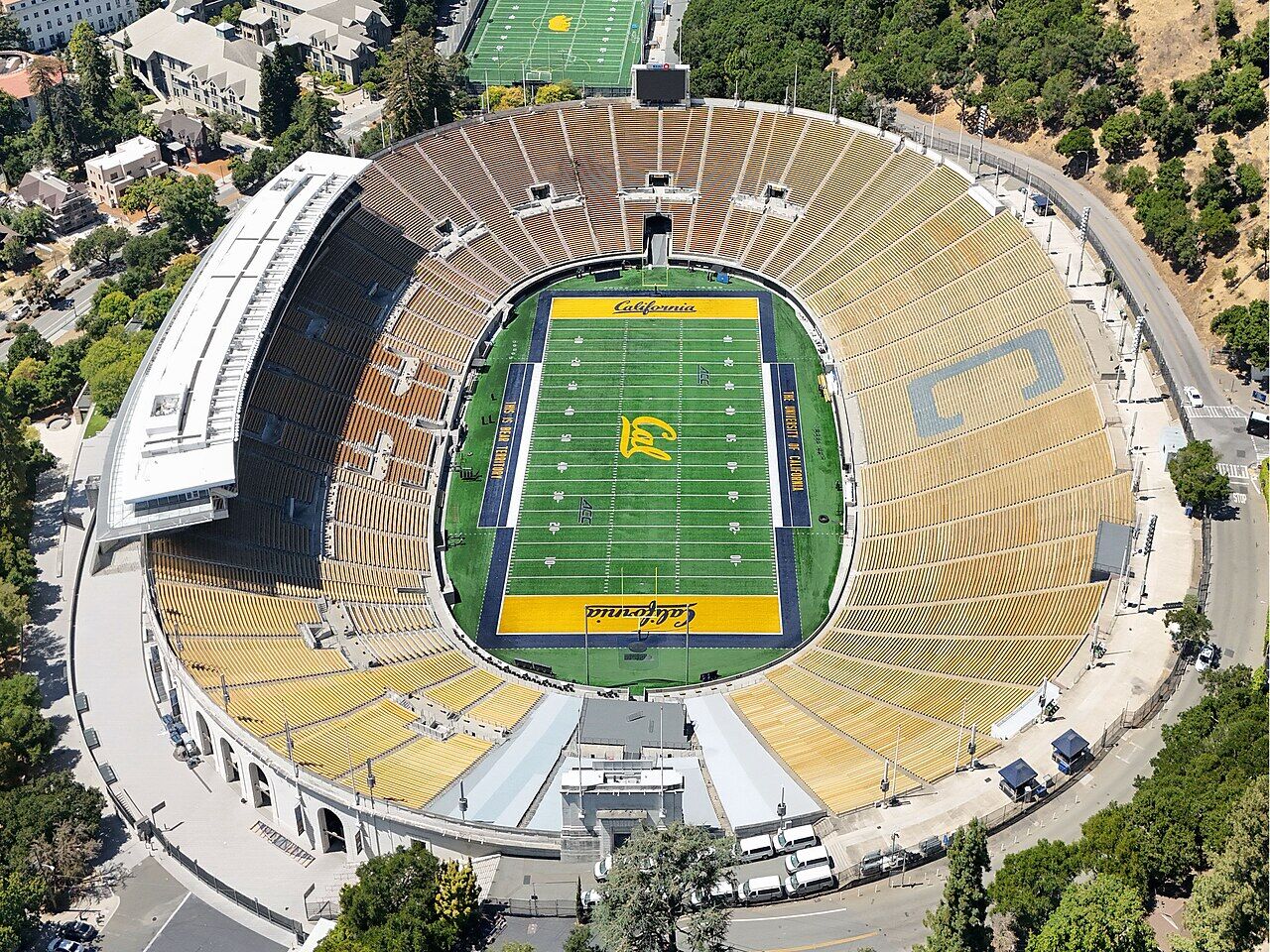
California Memorial Stadium
Historic 1923 football stadium honoring WWI fallen, with scenic views and Golden Bears football.
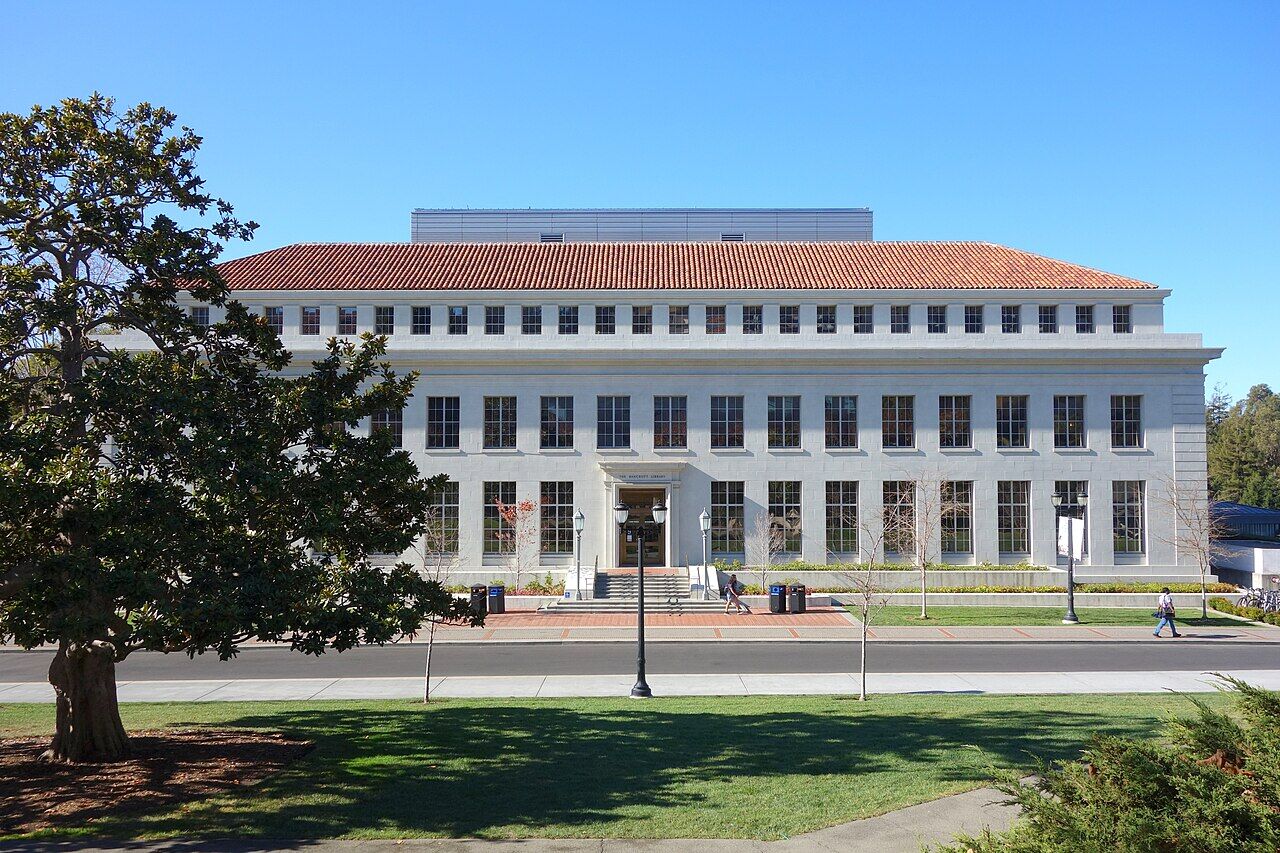
Doe and Bancroft Libraries
Historic library buildings housing millions of books and rare manuscripts, architectural gems on campus.