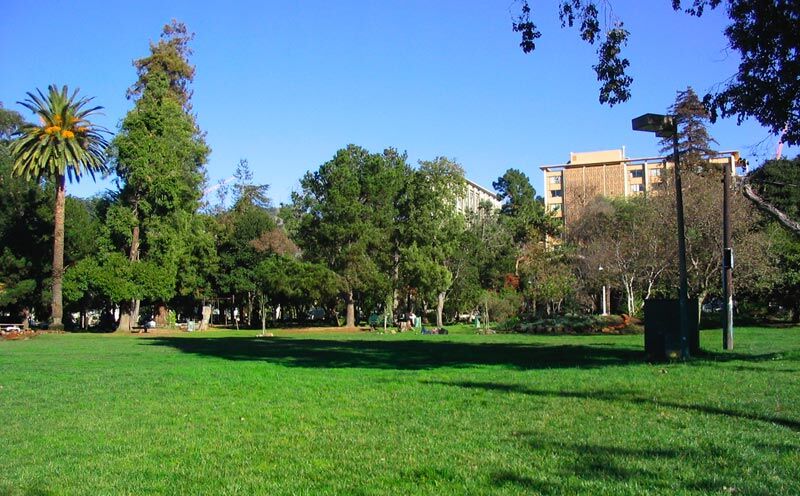
Attractions · Landmarks
People's Park
A historic site of activism and community gathering undergoing transformation into mixed-use housing.

Advertisement
People’s Park is a storied piece of Berkeley history and a symbol of the tension between institutional development and community preservation. The site has been the locus of activism, community organizing, and cultural expression for generations, and its future remains contested and evolving.
Historical Significance
The park became famous during the 1960s Free Speech Movement and Vietnam War era as a gathering place for student activists, artists, and community members. It served as a symbol of Berkeley’s countercultural and political identity, hosting protests, cultural events, and free community gatherings.
The park’s significance extends beyond politics to its role in Berkeley’s artistic and cultural life. Street performers, musicians, and artists have long used the space as a platform. The park embodied—for many—Berkeley’s commitment to public space and community access.
The Current Situation
As of 2026, the park remains fenced off following UC Berkeley’s decision to develop the site for student housing. The University promised to build both student housing (with plans for up to 1,000 beds) and supportive housing for the homeless (up to 125 units), but development timelines remain unclear.
The park is not currently accessible as a public gathering space, though its historical significance and future continue to generate community discussion and activism.
Community Response & Ongoing Activism
Despite the closure, the People’s Park community remains active. Regular community forums and gatherings occur in the surrounding Southside neighborhood. Community members continue feeding one another, offering support, making art, and preserving the park’s history and legacy.
A community forum was scheduled for September 2026 at SoCo in Berkeley, continuing conversations about the park’s future and the community’s vision for the space.
Historical Context
People’s Park’s history reflects ongoing tensions in American cities between institutional needs (student housing at a growing university), homeless services (acute shortage of affordable housing and shelter), and community desires for public space and cultural gathering places.
For many visitors and community members, the park represents Berkeley’s commitment to a different kind of urban space—one prioritizing community access and cultural expression over commercial or institutional development.
Visiting & Viewing
Currently, the park is not accessible for gathering, but the surrounding Southside neighborhood allows visitors to understand the location’s place in Berkeley’s geography and history. The Haste Street and Telegraph Avenue location remains a central point in the South Berkeley community.
Information about the park’s future development and community organizing efforts is available through local community organizations and City of Berkeley resources.
Cultural Legacy
Even in its current fenced state, People’s Park remains significant in Berkeley’s identity and history. Its story encapsulates debates about homelessness, student housing, public space, and community rights that remain central to urban life throughout California.
Visitors interested in Berkeley’s history, activism, and social issues will find People’s Park’s evolution instructive and thought-provoking.
Advertisement
More Landmarks
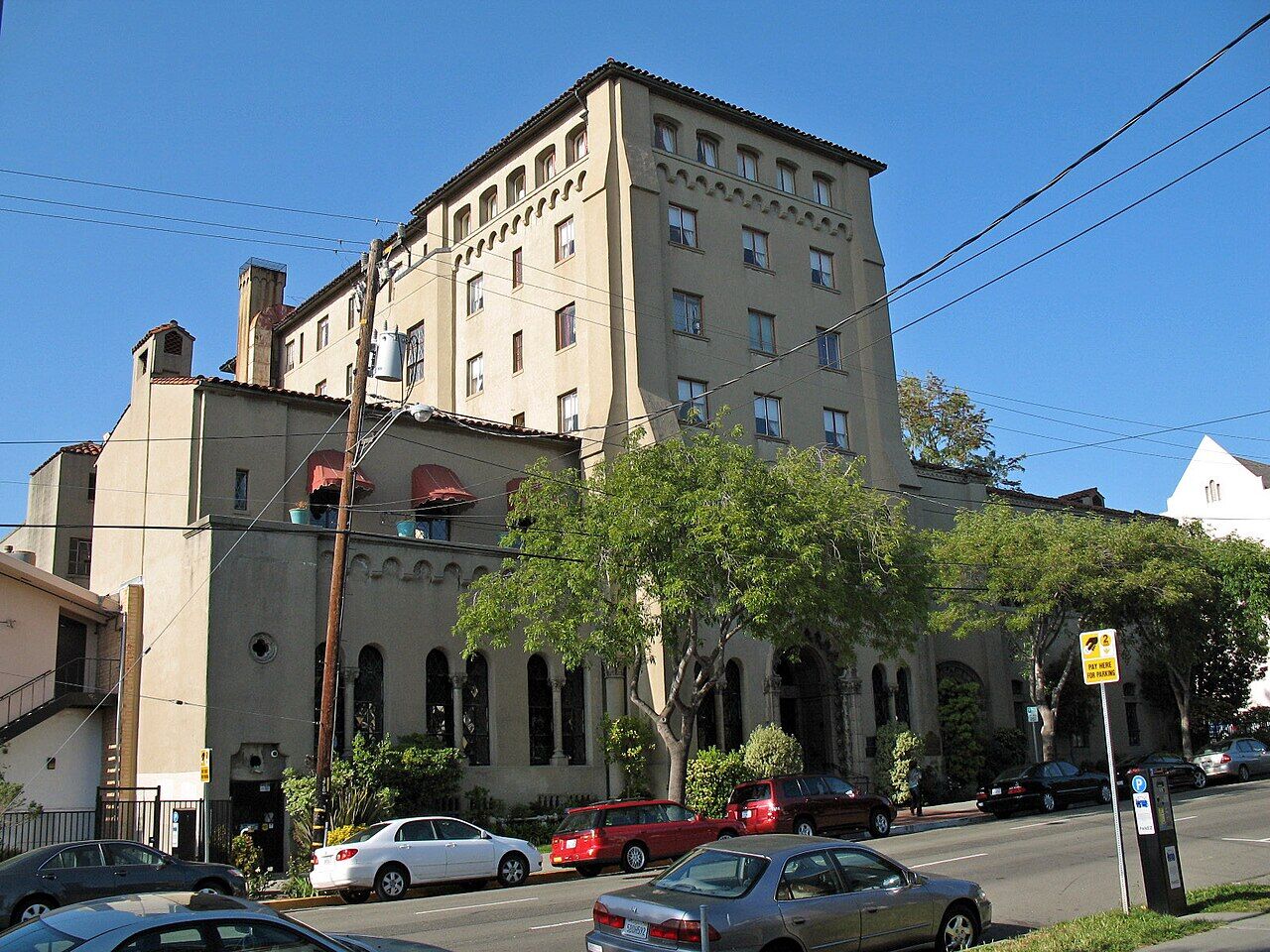
Berkeley City Club
A 1930 Julia Morgan architectural gem known as the 'Little Castle' featuring vaulted halls and courtyards.
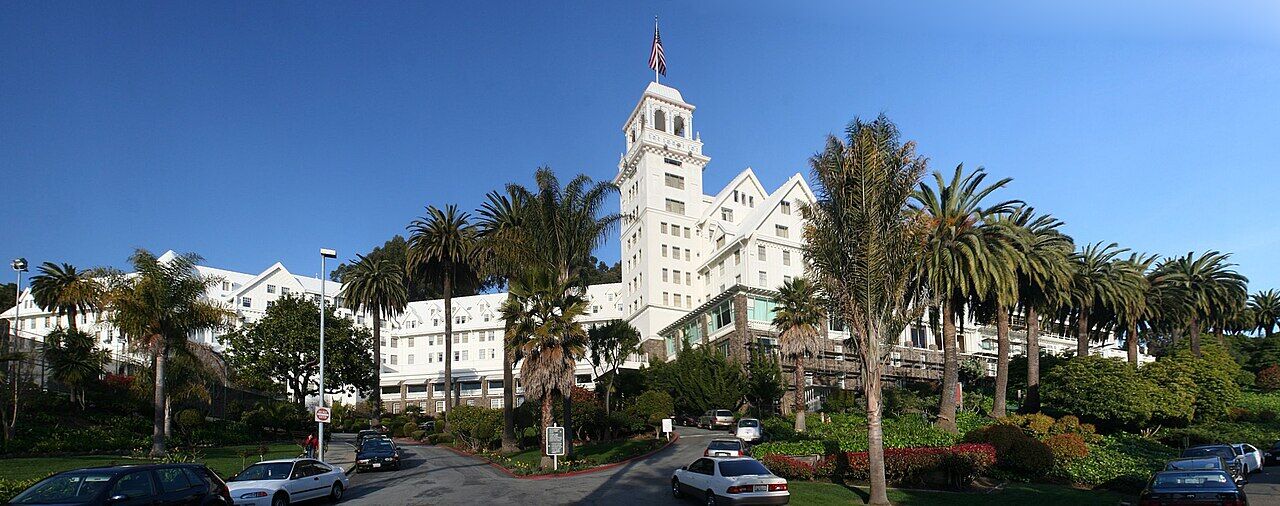
Claremont Club & Spa
A luxury hillside retreat and Berkeley landmark offering Bay views and world-class amenities.
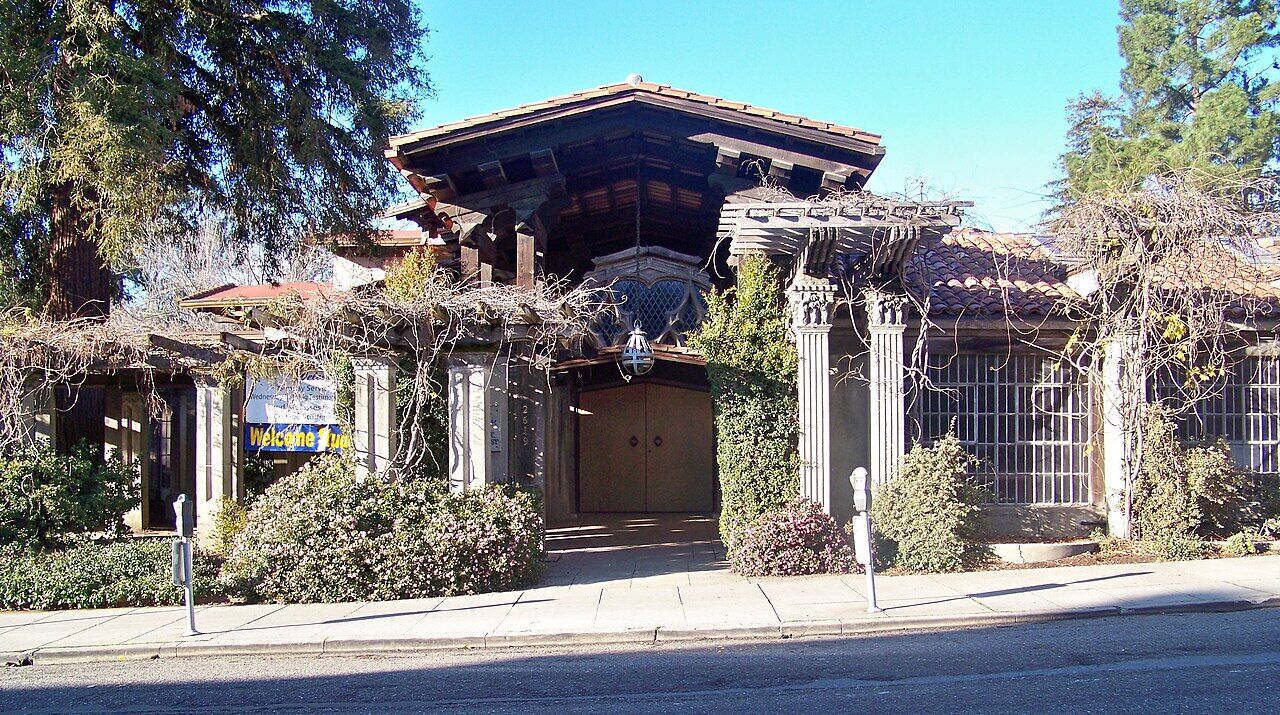
First Church of Christ, Scientist
An architectural masterpiece by Bernard Maybeck blending multiple design traditions.