Attractions · Campus & Museums
Magnes Collection of Jewish Art and Life
45,000+ artworks and artifacts documenting Jewish culture, art, and history globally.
Advertisement
The Magnes Collection of Jewish Art and Life, located on the UC Berkeley campus, houses the third-largest collection of Jewish cultural artifacts and artworks in the United States. With more than 45,000 objects, the collection spans centuries of Jewish civilization and diaspora communities, documenting the creativity, traditions, and lived experiences of Jewish people worldwide.
History and Mission
The collection’s roots trace to the Judah L. Magnes Museum, founded in 1962 by Seymour and Rebecca Camhi Fromer. That museum was groundbreaking—one of the first Jewish museums to be established in the United States. In 2010, the UC Berkeley Library acquired the museum, transforming it into the Magnes Collection of Jewish Art and Life. As part of the university, the collection now serves both the academic community and the public, functioning as both a museum and a research center.
The institution’s mission is to preserve, study, and interpret Jewish cultural heritage to generate new knowledge and understanding. The Magnes operates with sensitivity to the cultures and communities represented in its collections, consulting with descendant communities when relevant.
The Collections
The Magnes Collection comprises an extraordinarily diverse archive of materials. The collection includes artworks ranging from paintings and sculpture to decorative arts, textiles, and contemporary installations. Objects include religious items, everyday household goods, documents, manuscripts, photographs, recordings, and video. The breadth reflects the diversity of Jewish life across time and geography.
Specific strengths include materials documenting the Jewish experience in the American West, Jewish immigration and settlement patterns, Jewish women’s history, and the arts and culture of Jewish communities globally. The collection addresses historical periods from ancient times through the contemporary era.
Exhibitions and Programming
The Magnes presents rotating exhibitions that explore themes and artists from its collections. These exhibitions interpret materials in ways that illuminate broader historical narratives and contemporary relevance. The institution also hosts public programs, lectures, and educational events that serve both academic and general audiences.
Location and Accessibility
The Magnes is located at 2121 Allston Way, Berkeley, in a convenient location near the UC Berkeley campus and downtown Berkeley. The building is accessible by public transit and has nearby parking. The location makes visiting the Magnes feasible as part of a broader campus or Berkeley cultural exploration.
Hours and Visiting
The Magnes is open Tuesday and Wednesday, 11 a.m. to 4 p.m.; Thursday, 11 a.m. to 7 p.m. (late hours); and Sunday, 11 a.m. to 4 p.m. The museum is closed Monday, Friday, and Saturday. Admission is by suggested donation ($10 per person), with free entry available through the Museums for All program. The galleries close during winter and summer breaks. Check the Magnes website for details about ongoing and upcoming exhibitions. Contact information: (510) 643-2526 or [email protected].
Educational Value
The collection serves multiple audiences. Scholars and researchers use the archives for academic work. Students engage with materials in courses exploring history, art, religion, and culture. The general public visits to learn about Jewish history and culture. Educators bring school groups to experience the collections.
Thematic Depth
Beyond the visual impact of the artworks and objects, the Magnes Collection offers intellectual depth. Materials document the diversity within Jewish communities—different ethnic origins, geographic locations, religious traditions, and historical experiences. The collection resists stereotypes and presents the complexity of Jewish identity and culture across time and place.
Tips for Your Visit
Take advantage of the Magnes website before visiting to learn about current exhibitions. Many exhibitions include thoughtful interpretive materials that enrich engagement with objects. Plan time to explore both the larger iconic pieces and the smaller, intimate objects that reveal details of daily life. The museum’s collection photography and descriptions online allow you to preview interests before visiting. Consider attending public programs or lectures to deepen your understanding. Combine your visit with exploration of nearby campus attractions or downtown Berkeley’s cultural offerings.
Advertisement
More Campus & Museums
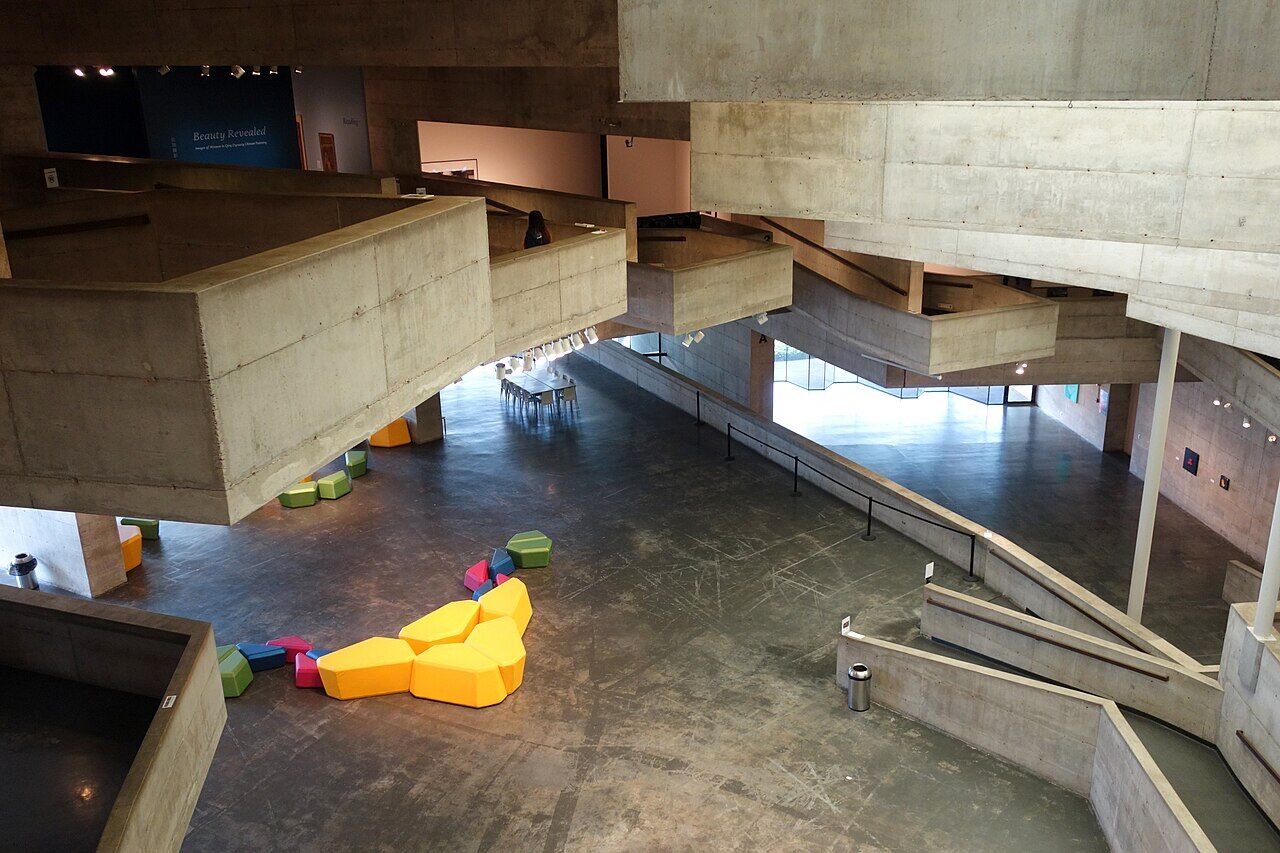
Berkeley Art Museum and Pacific Film Archive
Contemporary art and film venue with 25,000+ artworks and experimental cinema programming.
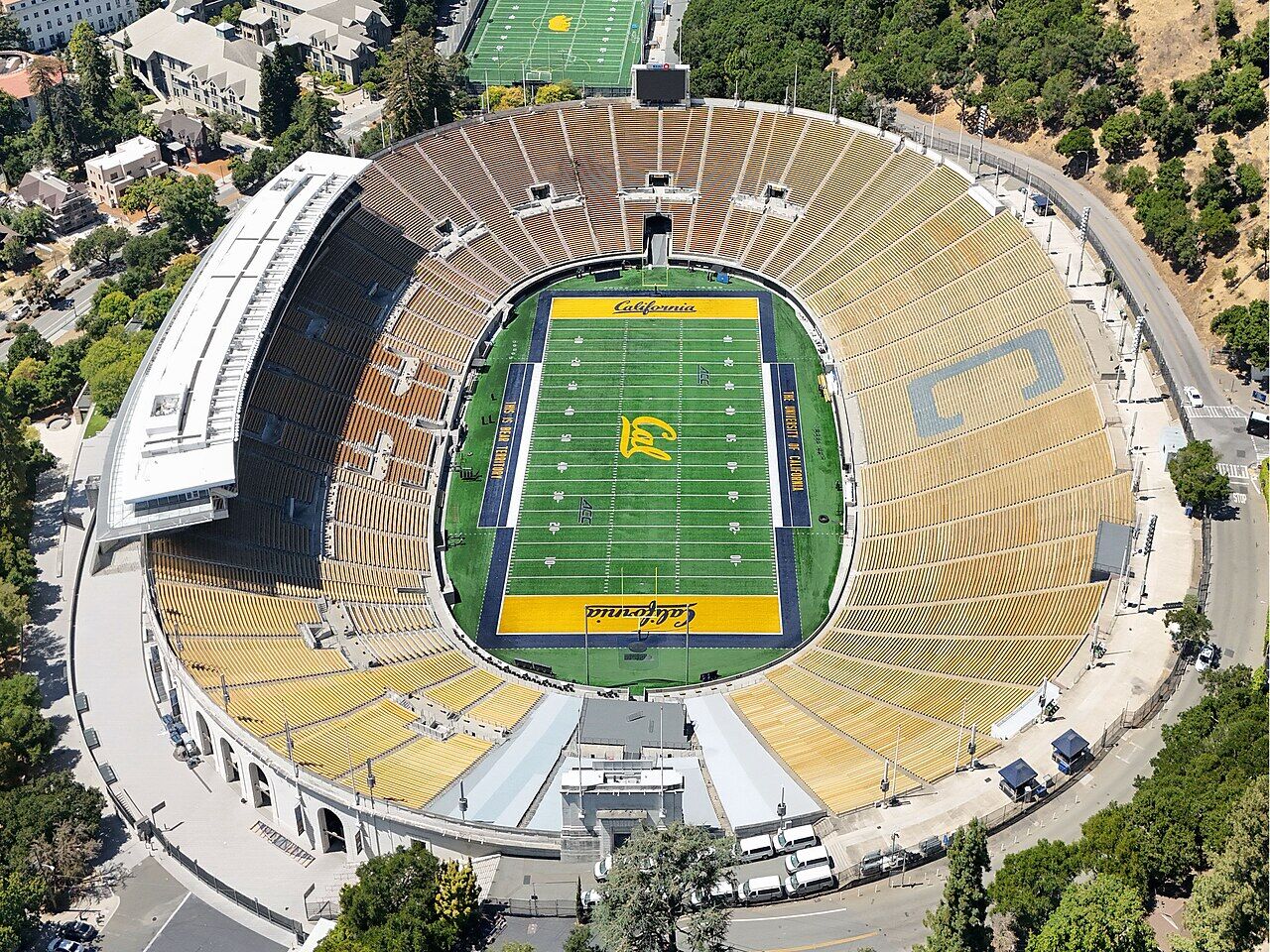
California Memorial Stadium
Historic 1923 football stadium honoring WWI fallen, with scenic views and Golden Bears football.
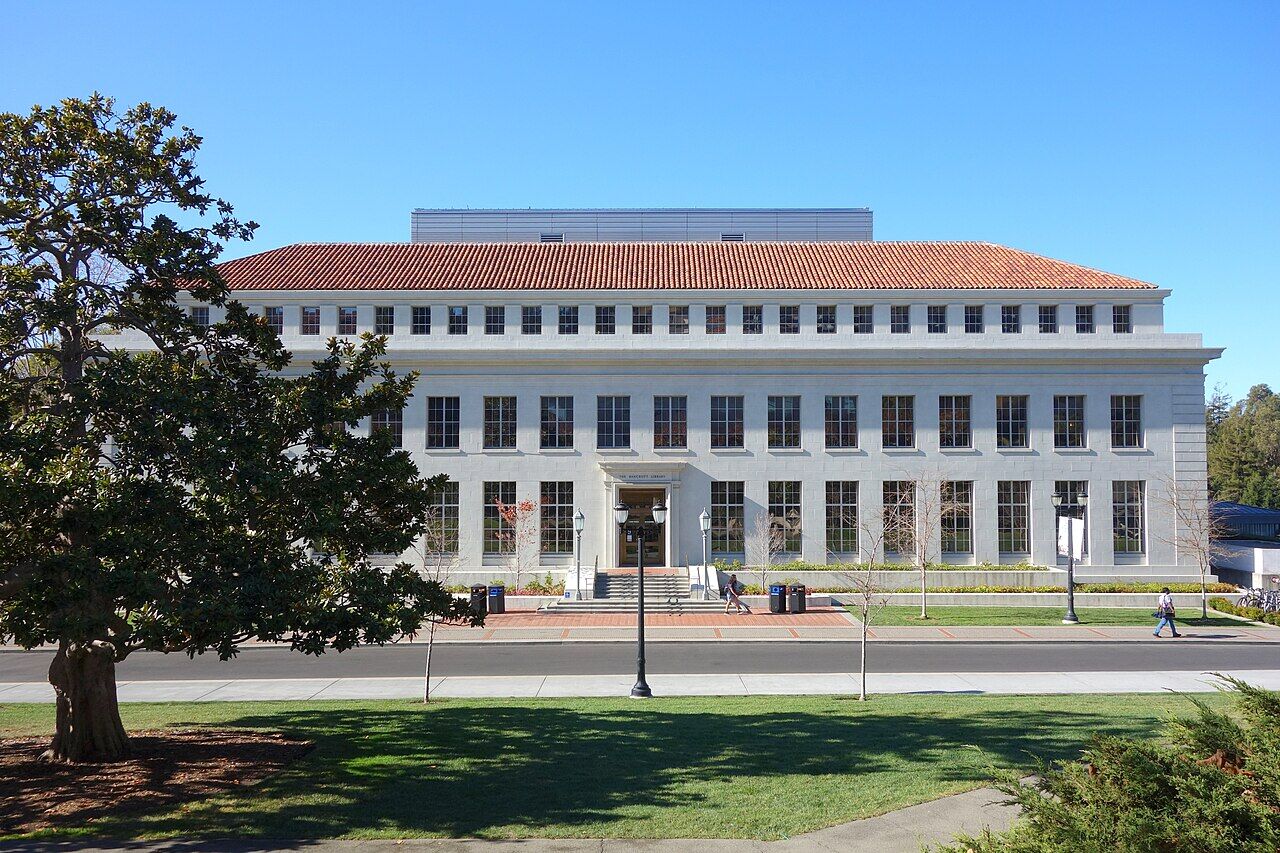
Doe and Bancroft Libraries
Historic library buildings housing millions of books and rare manuscripts, architectural gems on campus.